The latest statistics reveal that 73 percent of adults in the U.S. are experiencing overweight or obesity, with almost half actively trying to lose weight. Shedding pounds and maintaining that loss is challenging, requiring sustained healthy lifestyle changes for life.
Healthy Lifestyle Changes: The Foundation of Weight Loss
Adopting more nutritious eating habits and increasing physical activity benefits both physical and mental health. Losing just 5-10 percent of body weight can significantly lower triglycerides, blood pressure, and blood sugar levels. Despite these benefits, additional weight loss might be necessary for you to feel your best and achieve optimal health.
FDA-Approved Weight Loss Medications: A Supplement to Lifestyle Changes
For those who need or desire extra help, several FDA-approved weight loss medications, known as anti-obesity medications (AOMs), are available for long-term use. These medications are designed to complement healthy eating and regular physical activity, as they are not effective on their own over long periods of time.
Who Can Benefit from Weight Loss Medications?
Most weight loss medications require a prescription and are intended for individuals who have tried to lose weight through diet and exercise without success. They are suitable for those with a BMI of at least 30 or a BMI of at least 27 with a health condition like diabetes or high blood pressure.
How Do Weight Loss Medications Work?
Weight loss medications assist in managing weight by reducing hunger, increasing feelings of fullness, and reducing cravings. They work by interacting with hormones, neurotransmitters, and peptides found in the brain, gut, and adipose tissue. One exception is Orlistat (Xenical, Alli), which affects fat absorption in the digestive system.
Common FDA-Approved Weight Loss Medications
Semaglutide (Ozempic, Wegovy), Tirzepatide (Mounjaro), and Liraglutide (Saxenda, Victoza)
Class: GLP-1 receptor agonists
How They Work: These are injections targeting appetite regulation in the brain. They gradually increase dosage over weeks to minimize side effects like digestive issues, headaches, and fatigue.
How It Works: This tablet combines an antidepressant and an opioid receptor antagonist to impact the pleasure-reward area of the brain, helping to reduce appetite and cravings.
Phentermine (Adipex-P, Lomaira) and Phentermine-Topiramate (Qsymia)
How They Work: Phentermine reduces appetite, and when combined with Topiramate, it further helps in reducing cravings.
Setmelanotide (Imcivree)
Class: Melanocortin 4 receptor (MC4R) agonist
How It Works: A daily injection for individuals with specific rare inherited diseases. It helps in weight loss by reducing appetite and increasing calorie burn at rest.
Orlistat (Xenical, Alli)
Class: Lipase inhibitor
How It Works: Available in both prescription and non-prescription forms, it reduces fat absorption by inhibiting digestive enzymes.
Potential Side Effects of Weight Loss Medications
Common side effects include nausea, constipation, diarrhea, dry mouth, abdominal pain, headaches, dizziness, nervousness, insomnia, and tiredness. Serious side effects are rare. For Orlistat users, gastrointestinal side effects like abdominal pain and increased gas are common due to undigested fats.
Maintaining Weight Loss with or without Medication
Weight loss, regardless of medication use, often leads to a decrease in resting metabolic rate and changes in hunger and fullness hormones. Regular follow-ups with your physician are crucial to monitor progress, side effects, and the effectiveness of the medication.
Essential Nutrition Advice When Taking Weight Loss Medications
Maintaining a nutritious eating plan is vital while on weight loss medications. A safe and successful weight loss program should include:
A personalized nutrition and lifestyle plan
A practical and enjoyable exercise regimen
On-going support for adopting healthy lifestyle habits
A personalized strategy for maintaining weight loss
Supplement recommendations, when needed, by a registered dietitian
Specific Nutrition Recommendations When Taking Orlistat
To counteract reduced fat absorption and ensure adequate nutrient intake, consider these tips:
Consult your healthcare provider or registered dietitian about taking a multivitamin or other supplements.
Pair Orlistat with a lower-fat diet to minimize gastrointestinal side effects.
Final Thoughts
Weight-loss medications can play a supportive role in your journey towards better health and weight management. While they’re not a magic solution and do have potential risks, they can assist in making the necessary lifestyle changes for sustainable weight loss and improved well-being.
As registered dietitians and nutritionists, we understand that every individual’s path to weight loss is unique. We’re here to offer personalized nutrition advice, tailored meal plans, and ongoing support to help you reach your weight loss goals and maintain your progress. Whether you decide to incorporate weight-loss medications or prefer a natural approach, our goal is to empower you with the tools and guidance you need for long-term success.
Schedule an appointment with one of our weight loss dietitians today to start achieving your health and weight loss goals.
May is Women’s Health Month, but prioritizing your heart health shouldn’t be confined to a single month. Heart disease remains the leading cause of death for women in the United States, but unlike men, women often experience different symptoms and risk factors.
The good news? You have tremendous power to influence your heart health through a holistic approach that goes beyond just medication. This approach focuses on nourishing your body, nurturing your mind, and cultivating healthy habits for a strong heart and a vibrant life.
Protecting Your Heart with Nutrition:
The food you choose plays a vital role in keeping your heart healthy. A heart-healthy diet rich in fruits, vegetables, whole grains, and lean protein provides your body with the essential nutrients it needs to function optimally.
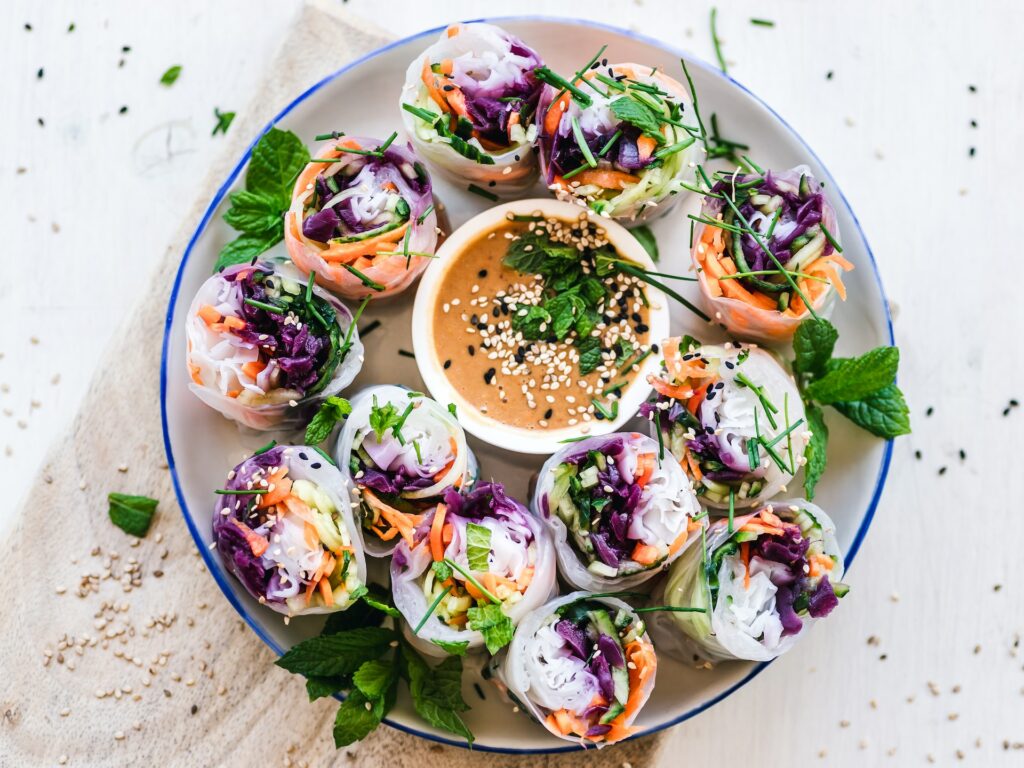
Embrace the Power of Plants: Fill your plate with a rainbow of fruits, vegetables, and whole grains. These nutrient-rich foods are packed with fiber, antioxidants, and essential vitamins that help regulate blood pressure, cholesterol, and inflammation – all key players in heart health.
Think Healthy Fats: Don’t shy away from healthy fats like those found in avocados, nuts, olive oil, and fatty fish. These fats promote satiety, improve blood vessel function, and even boost mood – a win-win for your heart and overall well-being.
Add Plant-Based Proteins: Incorporate beans, lentils, and chickpeas in your meals to add fiber and protein supporting both gut health and your heart. Avoid processed meats and opt for healthier cooking methods like baking, grilling, or steaming.
Minimize Added Sugars & Processed Foods: Processed foods often contain high amounts of added sugars, sodium, and unhealthy fats, all of which can contribute to weight gain and inflammation, putting a strain on your heart. Opt for whole, unprocessed foods whenever possible.
Nurturing Your Mind & Body
Beyond the power of your plate, a holistic approach to heart health prioritizes nurturing both your body and mind. This translates to activities that strengthen your physical well-being, promote quality sleep, and equip you with tools to manage stress effectively.
Move Your Body Regularly: Aim for at least 30 minutes of moderate-intensity exercise most days of the week. Find activities you enjoy, whether it’s dancing, swimming, brisk walking, or joining a fitness class.
Prioritize Quality Sleep: Aim for 7-8 hours of quality sleep nightly. When you’re well-rested, your body has a chance to repair and recharge, keeping your stress levels down and your heart healthy.
Manage Stress Effectively: Chronic stress can raise blood pressure and negatively impact your heart health. Find healthy ways to manage stress, such as yoga, meditation, deep breathing exercises, or spending time in nature.
Develop a Strong Social Network: Strong social connections promote emotional well-being and can even reduce the risk of heart disease. Nurture your relationships with loved ones, join a support group, or volunteer in your community.
Remember: Small changes add up to big results! Start by incorporating a few of these tips into your daily routine.
By focusing on a holistic approach to heart health, you can empower yourself to live a longer, healthier, and more vibrant life. Take charge of your well-being, nourish your heart from the inside out.
Uncertain where to start? Our registered dietitians can help you create a heart-healthy eating plan tailored to your preferences and covered by most insurance. Schedule a consultation and invest in your health.
Are you struggling to conceive and wondering if nutrition could be the missing link? You’re not alone. About 15-25 percent of couples experience difficulties achieving pregnancy after a year of trying. But here’s some good news: research suggests that nutrition can play a key role in improving fertility for both women and men.
By making some simple dietary changes, you could increase your chances of conception. In this blog post, we’ll explore the foods and nutrients that can help boost fertility and those that may hinder it, starting with the overall dietary pattern. So, grab a healthy snack and let’s dive in!
The Importance of an Anti-Inflammatory Diet To Boost Fertility
Research has shown that maintaining a nutrient-rich, anti-inflammatory dietary pattern is associated with higher fertility in both women and men. Inflammation can negatively impact fertility by disrupting ovulation and menstrual cycles in women and reducing sperm quality and quantity in men.
Individuals who consume inflammatory diets high in fast foods and sugary drinks, and low in fruits and vegetables may experience longer periods of time to achieve pregnancy. On the other hand, those who follow anti-inflammatory diets like the Mediterranean, Prudent, Nordic, and Okinawan diets, have been linked with greater chances of successful pregnancies, whether or not they use fertility treatments.
Anti-inflammatory diets are rich in fruits, vegetables, legumes, whole grains, and lean proteins, and may also include fish, nuts, seeds, olive or canola oil, and soy-based foods. Dairy products, red or processed meats, and sweets are consumed in smaller amounts or none at all.
Anti-inflammatory diets are high in unsaturated and omega-3 fats, fiber, vitamins, and minerals, and low in sugars, refined carbohydrates, and saturated and trans fats. By prioritizing an anti-inflammatory diet, individuals can take important steps towards improving their fertility and overall health.
Foods and Nutrients that may Boost Fertility in Women
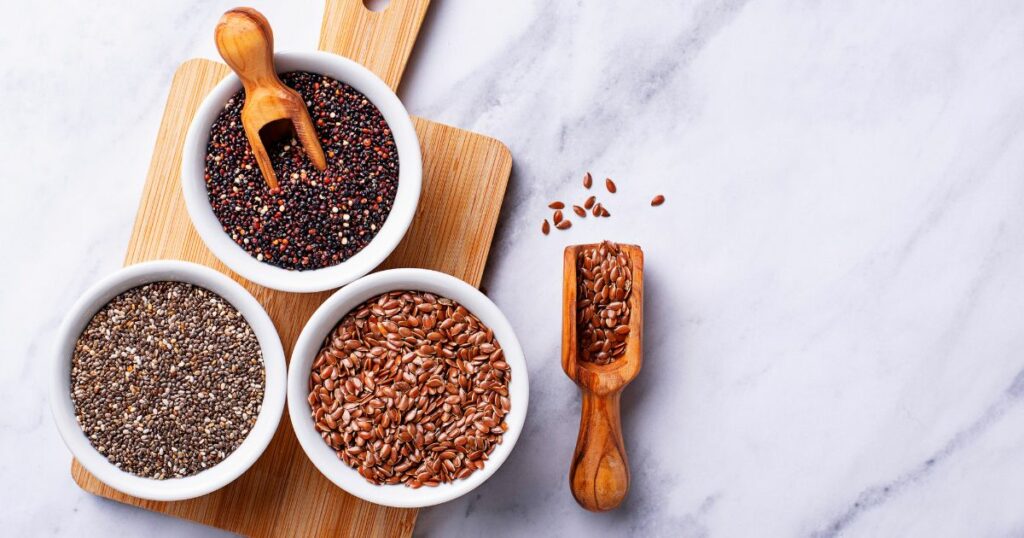
Incorporating specific foods and nutrients into a nutrient-rich, anti-inflammatory diet may potentially boost fertility in both women and men. One important recommendation is to consume seafood or seafood alternatives (if vegan or plant-based) like algae-based Omega-3 supplements, chia seeds, flax seeds, and walnuts.
Essential Fatty Acids
Chia Seeds and Flaxseeds
There is evidence that omega-3 fatty acids, particularly DHA and EPA, may play a role in improving fertility in both men and women.
Studies have shown that omega-3 fatty acids can improve sperm count, motility, and morphology in men, as well as increase the production of cervical mucus and improve hormonal balance in women. Omega-3s may also improve the quality of eggs in women undergoing fertility treatments.
Additionally, omega-3s have been linked to lower levels of inflammation in the body, which is important for optimal fertility as chronic inflammation can negatively impact reproductive health.
However, more research is needed to fully understand the impact of omega-3s on fertility, and it is always recommended to speak with a healthcare provider before making any significant dietary changes or starting new supplements.
Studies have shown that consuming seafood may increase the chances of getting pregnant, but not all seafood is created equal. For an alternative to seafood, plant-based sources of Omega-3 such as algae-based supplements, chia seeds, flax seeds, and walnuts can provide similar benefits.
Vitamin B-12
Another key nutrient for fertility is Vitamin B12, which is found primarily in animal products. Those who eat a vegan diet should make sure to supplement with Vitamin B12, or consume B12 fortified foods, such as plant-based milks, breakfast cereals, and nutritional yeast.
For women undergoing assisted reproductive technology (ART), having adequate levels of Vitamin B12 may increase the chances of a successful pregnancy. Studies have shown that higher levels of Vitamin B12 in the body are associated with better pregnancy outcomes, while lower levels of the nutrient can lead to infertility and miscarriage.
Vitamin B12 supplements can also benefit male fertility by improving sperm count, motility, and protecting sperm cells from DNA damage. This essential nutrient is crucial for the production of healthy red blood cells and DNA synthesis, which are essential for fetal development.
To meet the recommended daily intake of Vitamin B12, adults should aim for 2.4 mcg per day. Pregnant women require slightly more at 2.6 mcg, and breastfeeding mothers should aim for 2.8 mcg. Vitamin B12 is naturally present in animal-based foods such as meat, poultry, fish, eggs, and dairy products. For those following a vegan or vegetarian diet, Vitamin B12 fortified foods like breakfast cereals, plant-based milk, and nutritional yeast can provide a good source of the nutrient.
Additionally, taking Vitamin B12 supplements may be an effective way to increase levels of this important nutrient, as the body is able to absorb more Vitamin B12 from supplements than from food alone. Incorporating sufficient levels of Vitamin B12 into a balanced, healthy diet can help improve fertility outcomes for both women and men undergoing ART.
Folic Acid Supplementation
Folic acid, also known as Vitamin B9, is important before and during pregnancy to reduce the risk of neurological problems in the developing baby, such as spina bifida. It may also help women have more regular ovulation and get pregnant sooner. Folic acid aids in DNA and RNA synthesis, which is crucial for optimal reproduction. Consult with your healthcare provider or personal dietitian to determine the appropriate dosage of folic acid for you.
Soy Isoflavones
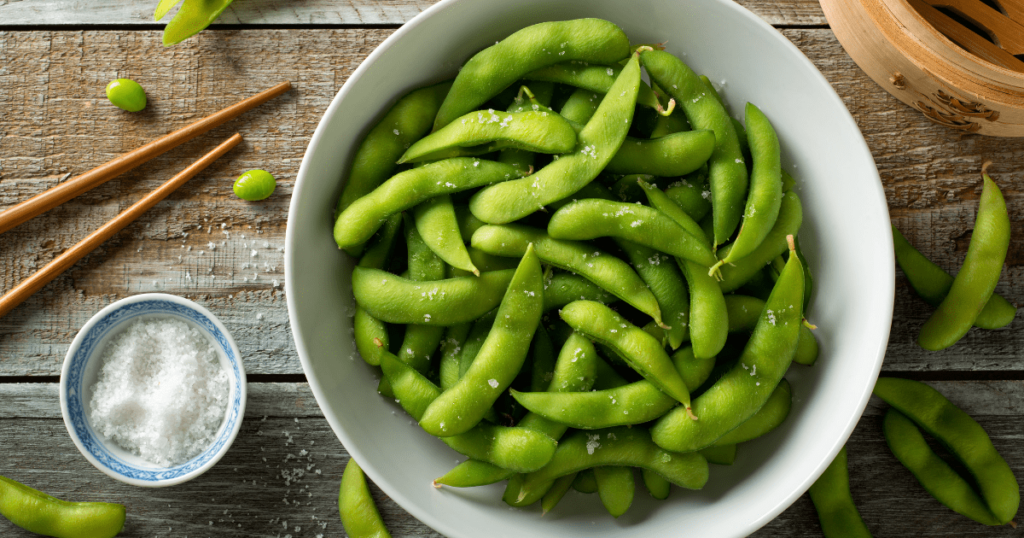
A Harvard study found that folic acid and soy isoflavones can have positive effects on women trying to conceive. Studies have shown that soy isoflavones, plant-based compounds that act like estrogen, may have a positive impact on fertility. In fact, women who consume soy or isoflavone supplements may have a higher chance of successful pregnancies, especially when undergoing fertility treatments. While initial animal studies suggested possible harmful effects, most studies in humans have not found any negative impact of soy on fertility. As such, incorporating soy-based foods into your diet or taking soy supplements may be a helpful addition to your fertility regimen.
Foods and Nutrients that May Improve Men’s Fertility
There is evidence that certain foods and supplements can improve a man’s fertility. Studies have shown that consuming a nutrient-dense diet that is high in fruits, vegetables, whole grains, legumes, and lean proteins like poultry and seafood can improve sperm quality and quantity. Additionally, certain nutrients like Vitamin B12, Vitamin C, Vitamin E, beta-carotene, selenium, and zinc have been linked to higher quality semen.
Antioxidant supplements have also been shown to improve semen quality by reducing DNA damage and increasing motility. It’s important to note that individual results may vary and it’s always best to consult with a healthcare professional before starting any new supplement regimen.
Antioxidant supplements may improve sperm quality. Studies suggest that low levels of antioxidants in men can result in negative impacts on sperm such as DNA damage, membrane damage, and reduced motility. Vitamins C and E, beta-carotene, folic acid, coenzyme Q10, and the essential minerals selenium and zinc are known for their antioxidant properties.
However, excessive amounts of antioxidants can be harmful, and it’s best to consult with a healthcare provider to determine a supplementation protocol tailored to your health needs and goals.
Strategies to Boost Fertility
Eliminate Intake of Artificial Trans Fats
It’s recommended to reduce intake of both trans fats and sugar-sweetened beverages, which may negatively impact fertility. Research suggests that a higher intake of trans fats can lead to a higher risk of ovulatory infertility, while sugary beverages can cause insulin resistance and disrupt menstrual cycles.
Reducing intake of trans fats may improve fertility, according to Harvard researchers. Trans fats are naturally found in dairy and meat from ruminant animals and in partially hydrogenated oils. However, artificial trans fats are being phased out of the U.S. food supply due to their harmful effects on heart health. While dairy products containing trans fats do not seem to negatively affect female fertility, a healthy vegan or mostly plant-based diet can easily eliminate the consumption of trans fats.
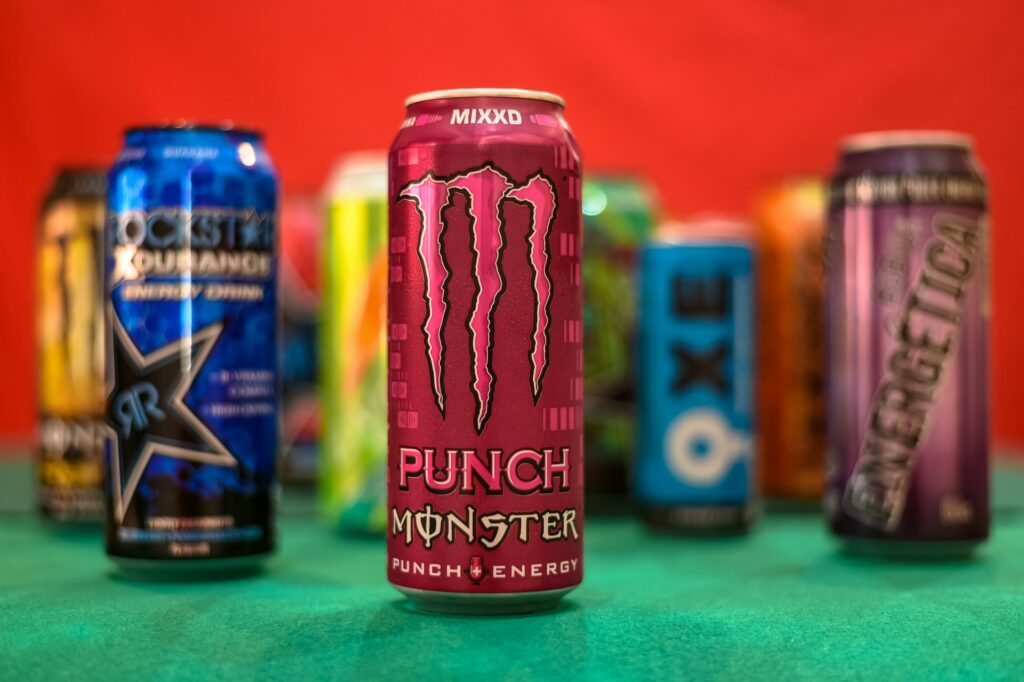
Eliminate Added Sugars and Energy Drinks
Sugar-sweetened beverages like soda and energy drinks may lower fertility in both men and women, according to several studies. Consuming as few as seven drinks per week can have an impact. However, diet sodas and fruit juice do not seem to have the same effect. One possible explanation for this link is that sugar can interfere with women’s reproductive hormones, ovulation, and egg maturation, while in men, it may lead to lower sperm concentration. However, I recommend avoiding artificial sweeteners due to their potential negative impact on the gut microbiome. Studies show that the mother’s microbiome influences the baby’s microbiome.
Overall, Add More Plants on Your Plate to Boost Fertility
Eating a diet rich in plants can have several benefits for fertility. Here are some ways eating more plants can boost fertility:
Improving Hormonal Balance: Plant-based foods are rich in vitamins, minerals, and antioxidants, which help balance hormones that are crucial for fertility. For example, foods rich in Vitamin C, such as leafy greens and citrus fruits, can boost progesterone production and support the menstrual cycle.
Reducing Inflammation: Chronic inflammation can negatively impact fertility by damaging reproductive organs. Plant-based foods are rich in anti-inflammatory compounds that can reduce inflammation and improve fertility.
Supporting Ovulation: Plant-based foods are a good source of complex carbohydrates and fiber that can help regulate blood sugar levels, which is essential for healthy ovulation. Studies have shown that a diet rich in whole grains, fruits, and vegetables can improve ovulatory function.
Boosting Sperm Health: Plant-based diets are high in antioxidants and phytochemicals that can improve sperm health. For example, foods rich in folate, such as leafy greens, can boost sperm motility.
Reducing Exposure to Toxins: Plant-based diets are typically lower in toxins, such as pesticides and heavy metals, that can negatively impact fertility. By reducing exposure to these toxins, plant-based diets can improve reproductive health.
Overall, incorporating more plants into your diet can improve fertility by supporting hormonal balance, reducing inflammation, supporting ovulation, boosting sperm health, and reducing exposure to toxins.
To Sum It Up
It can be challenging to deal with fertility issues, but research shows that nutrition can be helpful for both men and women. A diet that is high in nutrient-dense, anti-inflammatory foods such as fruits, vegetables, legumes, whole grains, lean proteins, and healthy fats are some of the best foods and nutrients to boost fertility.
If you need help planning and making nutritious changes to your meals and supplement regimen to boost your fertility, schedule an appointment with me for a personalized plan, I would love to help.
Now more than ever, it’s important to eat a healthy well-balanced diet. While there are many components to a robust immune system, nutrition plays a key role. Eating adequate nutrients as part of varied diet is essential for the health and function of all cells in the body, including your immune cells. Certain diets may better prepare your body from attack from microbes and unwanted inflammation. Particularly, plant-based diets and pescatarian diets have been associated with a reduced risk of developing moderate to severe COVID-19 and may help support a healthy immune system.
Micronutrients and The Immune System
Micronutrients influence and support every stage of the immune response and are essential to immune health. Deficiencies of micronutrients can have a negative impact on the health of your immune system causing immunosuppression which increases your susceptibility to infections. To support optimal immune function, adequate levels of micronutrients must be maintained. Getting adequate intakes in your diet from real food sources is essential for both the prevention and recovery from infections.
Vitamin D
Vitamin D “the sunshine vitamin” has several important functions. Some of the most vital functions is to regulate the absorption of calcium, phosphorus and facilitate immune system function. Vitamin D deficiency is associated with increased risk of autoimmune disease as well as increased susceptibility for infections. For most adults, vitamin D deficiency is not a concern. However, those who are obese, or have dark skin, and who are older than age 65 may have lower levels of vitamin D. Adequate intakes of Vitamin D supports your innate immune system and works as a pro-hormone which supports a healthy brain, metabolism, thyroid function, bone health, among other important functions. Not to mention, having sufficient vitamin D levels in your body may help you to fight COVID-19 or improve your health outcomes, if you become infected. Plant sources of vitamin D include:
Mushrooms
Fortified Soy Milk
Fortified Cereals
Fortified Orange Juice
Fortified Almond Milk
Fortified Rice Milk
A recent study published in the British Medical Journal revealed that vitamin D supplementation decreased the risk of respiratory tract infections by 50% in those that were deficient and in 10% of those with favorable vitamin D status.
Vitamin C
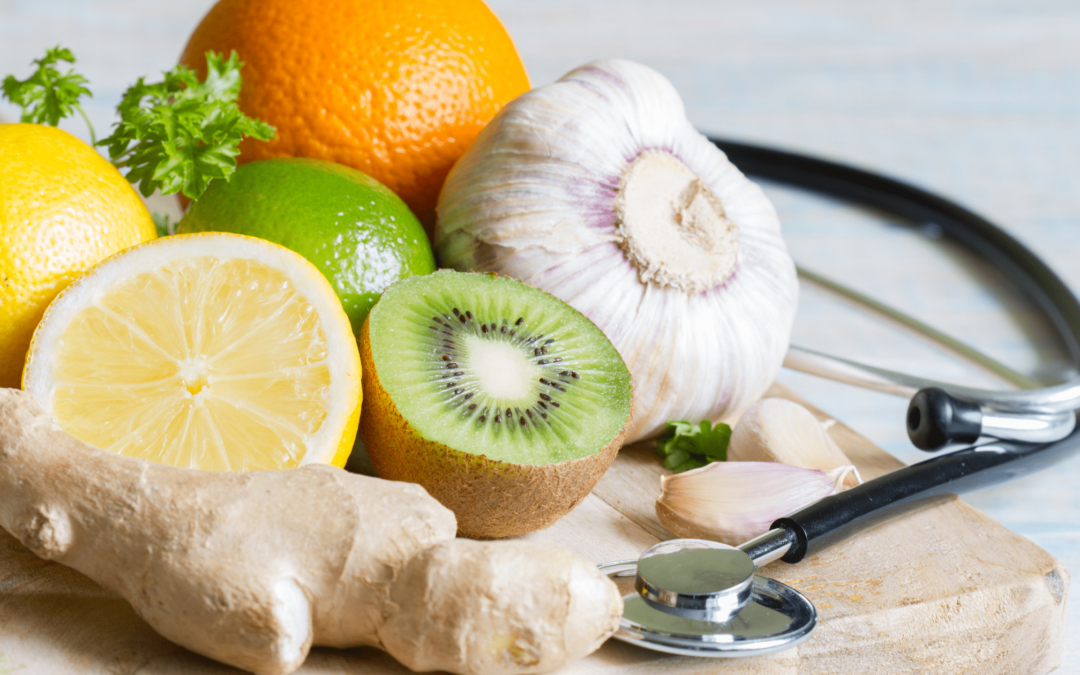
Vitamin C is a powerful antioxidant. It plays a significant role in immune defense by supporting cellular functions of both the innate and adaptive immune system. In addition, vitamin C supports several aspects of immunity, including growth and function of immune cells and antibody production. Clinical research suggest that low levels of vitamin C can lead to increased susceptibility to viruses, infection and compromised immune health. Food sources high in vitamin C include:
Sweet yellow peppers
Kiwi
Broccoli
Brussels Sprouts
Strawberries
Citrus Fruits
Zinc
Zinc is an essential nutrient and is required to activate certain immune cells. People who are deficient in zinc are at increased risk for impaired immune function as well as increased risk for infections such as pneumonia in certain age groups. By consuming a well-balanced varied diet, you can meet your daily zinc requirements. These five plant foods contain good sources of zinc.
Seeds
Tofu
Oats
Nuts
Beans
Legumes like chickpeas
There are certain groups that are at increased risk for zinc deficiency. If you fall within any of these groups, you may need to discuss the need for supplementation with your healthcare provider or registered dietitian. People who may need supplementation include:
Vegans or Vegetarians
People with gastrointestinal and other diseases
Pregnant and lactating women
Older infants who are exclusively breast fed
People with sickle cell disease
Alcoholics
Immune Supporting Foods & Polyphenols
Black & Green Tea
Both black and green tea contain polyphenols which supports a healthy gut microbiome and helps to bind viruses to reduce the ability for the virus to replicate. A Harvard research study determined that consuming 5 cups per day increased the virus-fighting compound, interferon, by ten times! Enjoy 1-2 cups of organic green or black tea per day as a nourishing way to unwind and possibly support upper respiratory health.
Ginger Root
Ginger has antimicrobial, anti-fungal, and antiviral properties. Ginger root supplementation has been shown to have anti-inflammatory and immune-supporting benefits. Ways to incorporate ginger root into meals include: grating it into stir-fry, simmering slices in water to make tea, adding to smoothies, and grating into soups.
Garlic
Garlic contains alliin and allicin, which are compounds that have antimicrobial properties. While there isn’t strong evidence on the impact of garlic on the immune system, the studies that have been conducted suggest garlic may stimulate the immune system and have antimicrobial actions as well as lower inflammation, cholesterol, and blood pressure. Be sure to discuss increased garlic use (or supplementation) with a healthcare practitioner if you are currently taking a blood thinner, insulin, or protease inhibitor. Quick and easy ways to include garlic into meals is by adding to chopped garlic when sauteing veggies like spinach, broccoli or kale or by adding in minced garlic to salad dressings.
Quercetin
Quercetin, a polyphenol derived from plants, is available in a wide variety of foods and has been shown to reduce the incidence and severity of upper respiratory tract infection symptoms. Studies suggest that quercetin may also help reduce inflammation. When combined with vitamin C, quercetin may provide additional immune-supporting effects. Food sources include:
apples
berries
capers
grapes
onions
tomatoes
green and black teas
citrus fruits
kale
5 Ways to Help Support a Healthy Immune System
While the food choices you make are a significant factor that impacts your health, there are other lifestyle habits that can promote a healthy immune system too which includes:
Maintaining adequate fluid intake. Adequate hydration is a key component to supporting your body’s immune system.
Limiting caffeine intake and alcohol. Too much of either may disrupt your gut microbiome.
Stress management. Chronic stress can weaken the immune system and cause a pro-inflammatory response.
Physical activity. Exercise acts a modulator for the immune system and causes anti-inflammatory cytokines to be released.
Quality sleep. Quality sleep supports a healthy immune system and may reduce your risk for chronic diseases.
There are many quercetin supplements out on the market. However, the best way to boost your intake is through whole foods that are rich in quercetin like red onions, capers, organic tomatoes, and kale into your daily diet. As always, it is best to consult with your healthcare provider before adding any supplements into your diet.
Need some guidance on how to improve your immune health with nutrition and lifestyle habits? Schedule a free consultation at http://www.corenutritionhw.com/services
There are so many different diets out there that claim to help with weight loss and disease prevention: low-fat, low-carb, ketogenic, paleo, whole 30, vegetarian, vegan, DASH, Mediterranean, MIND, etc. With so many choices, how do you know which one is right for you?
What is intermittent fasting?
You may be used to eating three meals every day, plus snacks. That’s pretty common. With intermittent fasting you can essentially eat how much of whatever you want—but here’s the catch: you have to stay on schedule. With intermittent fasting there are scheduled periods of time when you can eat and others when you have to fast. Unlike most other diets, intermittent fasting tells you when to eat, not what to eat.
Most diets that help achieve weight loss work by reducing the number of calories consumed. Intermittent fasting does the same thing, but in a different way. This way of eating significantly limits calories (requiring fasting) for certain durations of time (intermittently), while allowing little or no restrictions the rest of the time.
Here are a few different approaches to intermittent fasting:
Time-restricted feeding—Having all of your meals during an 8-to-12-hour window each day, drinking only water the rest of the day.
Alternate day fasting—Eating normally one day but only a minimal number of calories the next; alternating between “feast” days and “fast” days.
5:2 eating pattern—Consuming meals regularly for five days per week, then restricting to no more than 600 calories per day for the other two. This happens by eating very little and drinking only water on those two fasting days.
Periodic fasting—Caloric intake is restricted for several consecutive days and unrestricted on all other days. For example, fasting for five straight days per month.
It is important to note that going for long periods of time 24, 48, 72 hours of fasting periods are not necessarily better for you and may actually be very dangerous. In addition, going for too long without eating may encourage the body to start storing more fat in response in starvation.
Benefits of intermittent fasting
Studies show that intermittent fasting can promote weight loss. However, when it comes to weight loss, intermittent fasting seems to work just as well—not better—than other diets.
Research suggest eating this way suppresses appetite for some people by slowing down the body’s metabolism. With a smaller appetite, you simply eat less and that is going to help you lose weight. Other people who try intermittent fasting struggle with hunger and are much more uncomfortable during the fasting days. As a result, those who struggle with hunger during fasting may overeat during periods of eating.
Most of the research on calorie restriction and intermittent fasting have been conducted in cells (e.g., yeasts), rodents, and even monkeys. Some, but not all of these studies show it may help to increase exercise endurance, support immune function, and increase longevity. Intermittent fasting may also support the body’s ability to help resist some diseases like diabetes, heart disease, certain cancers, and Alzheimer’s.
When it comes to clinical studies on intermittent fasting, most have been pretty short—a few months or less. What we know so far is that it may help reduce markers of inflammation like C-reactive protein, diabetes, blood glucose levels, insulin sensitivity, and help to reduce high blood pressure and cholesterol.
Other research supports the beneficial effect that intermittent fasting has on sleep cycles and the gut microbiome. Fasting gives the gut microbes a period of rest time and improves and maintains the population of good bacteria.
Overall, research on the effect of intermittent fasting on people’s health is still emerging as to whether it is beneficial for weight loss and disease prevention.
How does intermittent fasting affect overall health?
Naturally, our bodies have survival mechanisms allowing us to adjust to periods of fasting. This has been necessary, as throughout history, humans have endured many periods where food was scarce.
What happens when we don’t take in sufficient calories is that our body starts using up stored carbohydrates called glycogen. The liver stores enough glycogen to last about 12 to 16 hours before it runs out of fuel. Beyond 16 hours, the body switches fuels and begins to use fat as an energy source.
This is when your metabolism shifts from a carbohydrate-burning state to a fat-burning state. Some of the fat is used directly as fuel, while some is metabolized into biochemicals called ketones. This new fat-burning metabolic state is called ketosis. The state of ketosis brings on other changes throughout the body. It’s these changes that are thought to underlie some of the health benefits seen with intermittent fasting.
Ketones are a more efficient source of energy for our bodies than glucose. They help keep many of our cells working well even during periods of fasting. This is particularly true for brain cells and this may be part of the reason some animal studies show protection against age-related disease like Alzheimer’s.
Ketones may also help to ward off some cancers and inflammatory diseases like arthritis. They are also thought to reduce the amount of insulin in the blood which may help protect against type 2 diabetes. On the other hand, too many ketones may be harmful, so more research is needed to better understand the links between fasting, ketones, and health.
Before you start intermittent fasting
Before considering intermittent fasting, you should understand that there are certain health conditions that can make it dangerous. For example, if you have diabetes you need to eat regularly to maintain your blood sugar levels, therefore, fasting is not recommended. Also, if you’re taking certain medications like diuretics for high blood pressure or heart disease, intermittent fasting increases your risk for electrolyte abnormalities.
Intermittent fasting is also not recommended for anyone who is under 18, has a history of eating disorders or anyone who may be pregnant or breastfeeding.
Some people who restrict their calories or start intermittent fasting may experience side effects which includes fatigue, weakness, headache, reductions in sexual interest, and a reduced ability to maintain body temperature in cold environments.
Beyond the health risks and side effects, fasting is simply hard to do voluntarily—especially when it’s for two or more days. As a result, some people may have a natural tendency to indulge too much on their “feast” days which can negate some of the benefits of fasting.
According to the National Institutes of Health, “More research will be needed to determine the long-term impact of the diet on human health and provide information on when and how such a diet might be applied.”
As with all major dietary changes, be sure to discuss it with a registered dietitian nutritionist or your healthcare professional before making significant changes to your diet. `
Intermittent fasting can be hard. If you choose to try IF, one suggestion that may be helpful is having a social support network—especially for those days when you’re fasting, Even though the idea of intermittent fasting is to restrict when you eat, not what you eat, the quality of your food choices matters because you still need your essential nutrients.
To sum it up
The main goal in dietary changes should be to create sustainable nutrition and healthy lifestyle habits that will help you meet your health goals and promote optimal wellness. Whether you’re looking to lose weight or prevent disease, support immunity, or improve your gut health, I recommend choosing a pattern of eating that is enjoyable, sustainable and practical for you.
It’s important to remember that one particular diet or eating pattern that helps some people may not have the same effect on everyone. Considering all the different diets that there are to choose from, you may find it frustrating trying to figure out which one will work best for you.
If you need some guidance in deciding which eating pattern will be most practical for you, schedule a free discovery call with me to see how my programs can help you optimize you health and reach your health goals.
References:
Harvard Health Publishing. (2017, January). Any benefits to intermittent fasting diets? Retrieved from
NIH National Center for Advancing Translational Sciences. (2018, August). NCATS-Supported Study Shows Eating Before 3 p.m. Can Improve Health. Retrieved from
Your skin is your largest organ that plays a vital role in your overall health and wellness. Not only does it protect what’s inside your body by keeping water and nutrients in, it also keeps harmful bacteria and viruses out. In addition, your skin helps you maintain your body temperature and makes vitamin D when exposed to the sun. It’s also full of nerve endings to help you sense the outside world and avoid damage from things that are too hot, cold, or sharp.
Nutrients to Promote Healthy Skin
Skin care isn’t only something we need to do on the outside. What we eat and drink affects all of our vital organs—including our skin. Below is a list of some of the essential nutrients you need in order to keep your skin well-nourished so that you can look and feel your very best.
Water
Did you know that up to 60% of the human adult body’s composition is water? Water plays many important roles in your body. It’s the main component in your cells and fluids, it allows you to maintain your body temperature and it provides shock absorption for your joints.
Your skin has three layers. The outermost layer—the one you see and feel—is called the epidermis. The middle layer is the dermis and underneath that is your hypodermis. When your epidermis doesn’t have enough water, your skin feels rough and loses elasticity. One clinical study found that when participants who didn’t drink a lot of water increased their intake, their skin became more hydrated and their skin’s “extensibility” improved within 2 weeks. Drinking more water can help skin hydration and may be particularly beneficial if you have dry skin or don’t drink enough water.
How much water do you need every day? According to the Mayo Clinic, women should aim for 2.7 L (11.5 cups) of fluids per day, while men should aim for 3.7 L (15.5 cups) per day. Note that these fluids can come from drinking water or other beverages, and can even come from water-rich foods like soups, fruits, and vegetables. Your personal water needs may be higher if you sweat a lot from physical activity or live in a hot, humid environment, if you are pregnant or breastfeeding, or if you are prone to urinary or digestive tract conditions such as kidney stones, vomiting, diarrhea.
Not a fan of drinking water? Infuse your water with your favorite fruit or herbs to help you consume more throughout the day.
Protein
Protein is an essential macronutrient that plays an important role in the structure of your skin and body. Different proteins are made by combining different building blocks called animo acids. Protein makes up parts of your cells, immune system antibodies, and the enzymes needed for thousands of reactions including digestion.
Your skin is made up of several different proteins. For example, collagen and elastin are very plentiful and build up the structure of your skin. Over time, and with exposure to the elements, your body’s ability to produce collagen decreases. Keratin is another important protein in your skin. Keratin makes up the outer epidermis layer giving it rigidity and enhancing its barrier protection.
The recommended daily amount of protein is based on your body weight. For every 20 pounds you weigh you should try to get just over 7 grams of protein each day. This means a person who weighs 140 pounds needs about 50 g protein/day, while someone who weighs 200 pounds would need about 70 g protein/day. Protein is found in meat, poultry, fish, dairy, and eggs. Plant-based sources of protein include soy, lentils, beans, nuts, seeds, whole grains, and even vegetables like corn, broccoli, and asparagus.
Essential Fatty Acids
Getting plenty of healthy fats in your diet can give your skin a “glow”. On the other hand, too little fat in your diet can make your skin wrinkly and dry. Omega-3’s and Omega-6’s are two types of fatty acids that are essential nutrients for our health and our skin. Omega-3 fatty acids in particular are ant-inflammatory and have been linked to many other health benefits including improvements in rheumatoid arthritis, ulcerative colitis, diabetes, heart disease, and psoriasis, to name a few.
You can get these essential fatty acids from nuts (walnuts), seeds (flax, chia, pumpkin, sunflower, sesame), oils (soy, canola), leafy vegetables, and avocados. Essential fatty acids are also available in supplements which may contain additional vitamins and minerals. Consider taking pollutant /contaminant free yeast or algae-derived Long Chain Omega 3’s daily. Consult with a registered dietitian for supplement recommendations.
Vitamin C
Vitamin C is a water-soluble powerful antioxidant that carries out many functions in the body. It provides some protection for your skin from the UV rays, however, you should always wear sunscreen for optimal protection., Another important role of vitamin C is that it helps to produce collagen. Collagen helps to keep your skin firm and elastic. Unfortunately, as you age collagen production declines, therefore making sure you get adequate amounts of vitamin C is vital in protecting and preserving your skin.
Every day you should aim for at least 75 mg of Vitamin C. It is relatively easy to consume your recommended dietary intake of vitamin C from fruits and vegetables such as bell peppers, citrus fruits, oranges, grapefruits, broccoli, cauliflower, strawberries, kiwis, blackcurrants, potatoes, rose hip, and parsley.
Vitamin E
Vitamin E is a group of essential vitamins called tocopherols. They are fat-soluble antioxidants that work synergistically with Vitamin C. When given together, vitamins C and E (and zinc) can speed up wound healing. Signs of a vitamin E deficiency is linked to dry itchy skin..
Vitamin E is often applied directly (topically) on the skin to reduce redness and some of the effects of sun damage. Ingesting Vitamin E helps the skin from the inside by protecting collagen and fats from breaking down. One clinical study successfully improved symptoms of dermatitis (skin inflammation) in participants who took Vitamin E supplements over the course of several months.
The recommended daily allowance for Vitamin E (alpha-tocopherol) is 15 mg. You can get Vitamin E in vegetables, oils (wheat germ oil, olive oil, vegetable oil, sunflower oil), sunflower seeds, nuts (almonds, hazelnuts), spinach, broccoli, corn, kiwis, and soy.
Skin care beyond nutrition
While nutrition is essential to promote healthy skin from within, it is important to remember to incorporate other skin care practices that will help protect and nurture your skin health.
Use gentle cleansers and warm (not too hot) water to keep skin clean
Moisturize after taking a shower or washing your hands
Avoid things that bother your skin such as harsh cleansers, fragrances, and irritating fabrics
If you have allergies or intolerances (e.g., to gluten or pollen), avoid those
Limit your sun exposure and use sunscreen as appropriate
Be physically active
Try to get enough quality sleep
Use a humidifier and wear gloves when the weather is dry and cold
Avoid tobacco
The bottom line
The nutrients you consume feed your whole body—including your skin. As your largest organ with many critical roles, your skin needs a variety of different nutrients every single day. Water, protein and essential fatty acids are important macronutrients. The antioxidant vitamins C and E are among some of the micronutrients your skin needs to heal and stay healthy.
In addition to nutrition, caring for the outside of your skin is also important. Using gentle cleansers, warm water, and moisturizers, and avoiding irritants and allergens will help. If you have any medical concerns with your skin, you should make an appointment with your healthcare professional.
For a nutritious approach to skin health, consult with a registered dietitian nutritionist who can assess for nutritional deficiencies and discuss your nutritional concerns and dietary restrictions.
Need some help to identify what foods your skin needs, or need guidance ton how o implement delicious skin-boosting foods into your day-to-day life? Schedule a free 15 minute consultation at http://www.corenutritionhw.com/services
Huang, T. H., Wang, P. W., Yang, S. C., Chou, W. L., & Fang, J. Y. (2018). Cosmetic and Therapeutic Applications of Fish Oil’s Fatty Acids on the Skin. Marine drugs, 16(8), 256. https://doi.org/10.3390/md16080256
Palma, L., Marques, L. T., Bujan, J., & Rodrigues, L. M. (2015). Dietary water affects human skin hydration and biomechanics. Clinical, cosmetic and investigational dermatology, 8, 413–421. https://doi.org/10.2147/CCID.S86822
Schagen, S. K., Zampeli, V. A., Makrantonaki, E., & Zouboulis, C. C. (2012). Discovering the link between nutrition and skin aging. Dermato-endocrinology, 4(3), 298–307. https://doi.org/10.4161/derm.22876