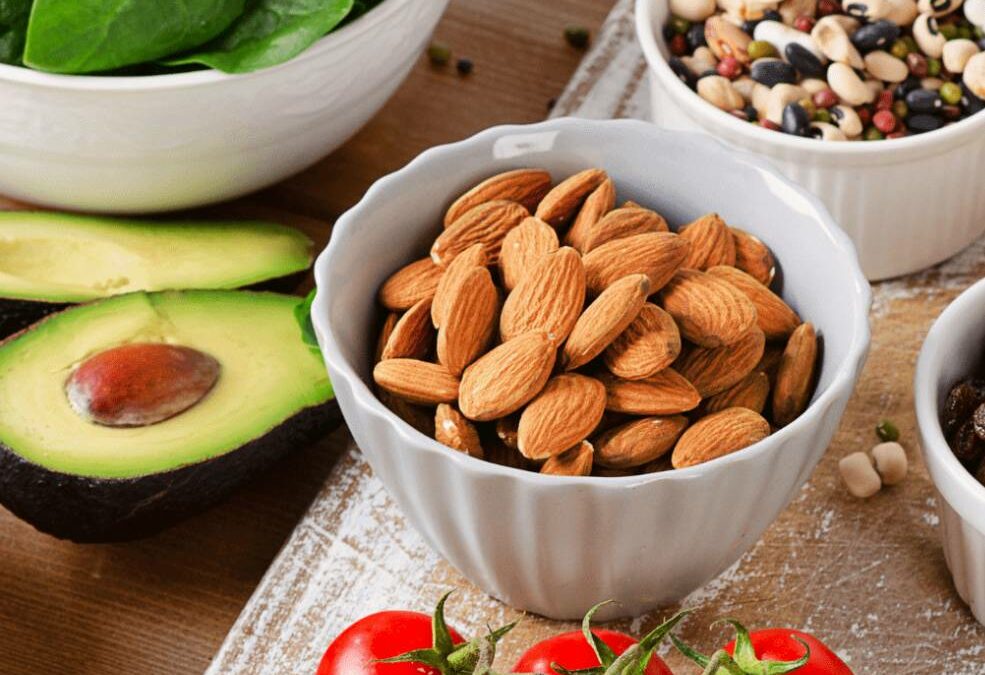

When it comes to improving your health through nutrition, the variety of professional titles can be confusing. Two of the most commonly misunderstood are the “functional nutritionist” and “registered dietitian nutritionist (RDN)” who specializes in functional nutrition. While both focus on a food-as-medicine approach and personalized care, their credentials, training, and scope of practice differ significantly.
Ultimately, the most reliable and well-qualified choice is a registered dietitian nutritionist (RDN) who incorporates a functional nutrition approach—some dietitians may also be referred to as a “functional nutritionist” for broader recognition.
What Is Functional Nutrition?
Functional nutrition is a holistic, root-cause approach to health. It emphasizes treating the whole person and identifying the underlying reasons behind health issues, rather than simply managing symptoms. Nutrition plans are tailored to each individual, considering bio-individuality, lifestyle, environment, and dietary patterns.
Core Principles of Functional Nutrition:
Uses food as medicine to promote long-term wellness
Aims to uncover root causes of symptoms and conditions
Considers lifestyle, stress, sleep, environment, and gut health
Develops personalized nutrition plans based on the whole person
Not All Nutritionists Are Dietitians
Before diving deeper, it’s important to clarify a common misconception: not all nutritionists are dietitians, but all registered dietitians are nutritionists.The term “nutritionist” own its own is often unregulated in many states, meaning anyone can use the title without formal qualifications.
In contrast, registered dietitians (RDNs) must complete rigorous education, clinical training, licensure, and certification processes. This distinction ensures that RDNs are held to the highest professional standards.
What Is a Functional Nutritionist?
A functional nutritionist typically applies the principles of functional nutrition in working with clients to improve wellness. However, the title is not regulated in most states. This means qualifications, training, and expertise can vary widely.
Training and Credentials:
May complete certification programs in holistic or integrative nutrition
No national licensing or standardized clinical training is required
Credentialing varies greatly; not all are health professionals
Scope of Practice:
Offers general wellness and nutrition advice
May address digestive concerns, fatigue, and food sensitivities
Typically cannot provide medical nutrition therapy (MNT) or address complex conditions
Without standardized credentials or licensure, functional nutritionists may lack the necessary training to safely navigate cases involving chronic diseases, medication interactions, or specialized dietary needs.
What Is a Registered Dietitian Who Specializes in Functional Nutrition
A registered dietitian nutritionist (RDN) is a board-certified healthcare provider who has completed rigorous academic, clinical, and credentialing requirements. When specializing in functional nutrition, RDNs combine science-backed care with holistic, individualized strategies.
Training and Credentials:
Accredited undergraduate or graduate degree in dietetics or nutrition
1,200+ hours of supervised clinical practice
Passage of a national board exam (CDR)
State licensure and continuing education
Scope of Practice:
Provides medical nutrition therapy (MNT) for conditions like diabetes, obesity, GI disorders, cardiovascular disease, PCOS, and more
Develops evidence-based, functional nutrition plans tailored to individual needs
Manages complex medical cases and collaborates with medical teams
Key Differences: Functional Nutritionist vs. Registered Dietitian Nutritionist
Aspect
Functional Nutritionist
Registered Dietitian Specializing in Functional Nutrition
Training & Credentials
Varies widely; may lack formal licensure.
Requires accredited education, clinical training, and licensure.
Scope of Practice
General wellness advice; limited in addressing medical conditions.
Comprehensive care, including medical nutrition therapy.
Regulation
Not a regulated title in most areas.
Profession is strictly regulated.
Focus
Holistic but not always evidence-based.
Holistic and evidence-based, ensuring safety.
Why the Distinction Matters
Choosing a qualified provider ensures your care is both effective and safe. For general wellness support, a functional nutritionist may suffice. However, if you are managing a chronic condition, need personalized clinical nutrition care, or want to use insurance, a registered dietitian nutritionist specializing in functional nutrition is the best choice.
Registered Dietitians Can Also:
Bill insurance for MNT services
Work as part of a healthcare team
Help prevent medication interactions and supplement misuse
The Importance of Regulation
Unregulated advice from a non-licensed provider can sometimes lead to harm, especially in cases of:
Medication interactions
Undiagnosed medical conditions
Use of unverified supplements
Registered dietitians bring a regulated, evidence-based approach to functional nutrition, ensuring that your care is safe, effective, and tailored to your health goals.
Your Best Choice: A Functional Dietitian Nutritionist
At Core Nutrition Health & Wellness, our registered dietitian nutritionists offer a functional, integrative approach backed by clinical training and board-certification.. We provide safe, effective, personalized nutrition care—and accept most major insurance plans.
Schedule your appointment today and get expert guidance from nutrition experts who take a holistic approach to help you improve your health and feel your best.
Registered Dietitian Nutritionist with 25+ years of experience specializing in gut health, hormone balance, and metabolic health. She helps women uncover the root causes of bloating, digestive issues, and hormone imbalances through practical, evidence-based nutrition.
In today’s busy world, ultra-processed foods (UPFs) have become a staple for many people due to their convenience. However, these foods often come with hidden health risks. Regular consumption has been linked to serious health conditions such as obesity, diabetes, heart disease, and even cancer. To make healthier choices, it’s essential to understand what ultra-processed foods are and how they impact your health.
What are Ultra-Processed Foods?
Ultra-processed foods, as defined by the NOVA classification system, are products made with few whole ingredients and loaded with artificial additives like preservatives, sweeteners, and colorings. In addition, they often contain high amounts of refined sugars, unhealthy fats, and sodium.
Examples of Ultra-Processed Foods:
Sugary drinks: Sodas and energy drinks.
Packaged snacks: Chips, cookies, and candy bars.
Fast food: Burgers, fries, and chicken nuggets.
Breakfast cereals: Pre-sweetened or flavored varieties.
Processed meats: Bacon, sausages, and deli slices.
Instant meals: Frozen pizzas, ready-made dinners, and instant noodles.
The Health Risks of Ultra-Processed Foods
While UPFs may seem convenient, they can negatively affect your health in several ways. Regular consumption has been linked to the following health risks:
Cancer: The International Agency for Research on Cancer (IARC) reports a connection between UPFs and increased cancer risk due to harmful additives.
Diabetes: Frequent UPF consumption has been associated with insulin resistance and type 2 diabetes.
Heart Disease: High levels of sugar, trans fats, and sodium in UPFs contribute to cardiovascular issues and hypertension.
Obesity: The energy-dense, nutrient-poor nature of UPFs often leads to overeating and weight gain.
Weight Gain and Obesity: A Growing Concern
One of the most alarming consequences of consuming ultra-processed foods is their contribution to weight gain. Research conducted by the IARC on nearly 350,000 adults found that participants who ate the most UPFs had a 15% greater risk of becoming overweight after five years compared to those who ate fewer UPFs.
Why does this happen? Foods like sugary cereals, chips, and candy bars are designed to be highly palatable but lack the fiber and protein that keep you full. For instance, eating a sugary cereal for breakfast might leave you hungry an hour later, increasing your chances of snacking on more processed foods throughout the day.
How to Reduce Ultra-Processed Foods in Your Diet
Fortunately, avoiding UPFs doesn’t have to be complicated. By making small changes to your eating habits, you can significantly reduce your intake of these unhealthy options.
Focus on Whole Foods: Base your meals around minimally processed options like fruits, vegetables, whole grains, legumes, nuts, and seeds.
Cook at Home: Preparing meals from scratch allows you to control what goes into your food. Start with easy recipes and fresh ingredients.
Read Labels: Avoid products with long ingredient lists filled with artificial additives and refined sugars.
Opt for Fresh or Frozen Produce: Choose fresh fruits and vegetables or minimally processed frozen options without added sauces or seasonings.
Choose Natural Proteins: Replace processed meats like bacon or hot dogs with lean meats, fish, tofu, or legumes.
Keep in Mind
Although ultra-processed foods are convenient, their frequent consumption can harm your health. These products are strongly associated with chronic conditions like cancer, diabetes, heart disease, and obesity.
To protect your health, prioritize nutrient-dense, whole foods and limit your intake of UPFs. If you’re unsure where to start, our personalized nutrition counseling services can help. By adopting healthier eating habits, you can reduce your risk of chronic disease and improve your overall well-being.
Registered Dietitian Nutritionist with 25+ years of experience specializing in gut health, hormone balance, and metabolic health. She helps women uncover the root causes of bloating, digestive issues, and hormone imbalances through practical, evidence-based nutrition.
Coffee is one of the most widely consumed beverages in the world, but not all coffee offers the same health benefits. The type of roast you choose can influence everything from antioxidant levels to how your body tolerates it, especially when it comes to gut health and overall purity.
If you’re trying to find the best coffee roast for your health, it’s important to understand how light, medium, and dark roasts differ—and how factors like acidity, caffeine content, and processing methods can affect your daily cup. In this guide, we’ll break down the key differences so you can choose a coffee that aligns with your health needs, lifestyle, and wellness goals.
Health Benefits of Coffee
Coffee contains a wide range of antioxidants and bioactive compounds that support overall health when consumed in moderation.
Some of the most well-known benefits include:
Rich in antioxidants: Coffee is high in polyphenols like chlorogenic acid, which help reduce inflammation and oxidative stress
Supports brain health: Caffeine can improve focus, alertness, and memory, and may help protect against cognitive decline
Heart health support: Moderate coffee intake has been linked to a lower risk of cardiometabolic conditions
May reduce cancer risk: Coffee consumption is associated with a lower risk of certain cancers, including liver and colorectal
Boosts metabolism: Caffeine can temporarily increase fat burning and energy expenditure
Types of Coffee Roasts: Light, Medium, and Dark
The roasting process affects both flavor and health benefits. Here’s how each roast compares:
Light Roast Coffee
Flavor: Bright, fruity, and more acidic
Health benefits: Contains the highest levels of antioxidants, especially chlorogenic acids
Caffeine: Slightly higher than darker roasts
Best for: Antioxidant support and brain health
Medium Roast Coffee
Flavor: Balanced with moderate acidity
Health benefits: Offers a mix of antioxidants and smooth taste
Caffeine: Moderate
Best for: Everyday drinking with balanced health benefits
Dark Roast Coffee
Flavor: Bold, rich, and less acidic
Health benefits: Higher in N-methylpyridinium (NMP), which may help reduce stomach acid
Caffeine: Slightly lower than lighter roasts
Best for: Gut health and sensitive stomachs
Best Coffee Roast for Gut Health
If you struggle with digestion, acid reflux, or sensitivity, dark roast coffee is often the best option.
Dark roast contains more NMP, a compound that helps reduce stomach acid production. This makes it easier on the digestive system compared to lighter roasts.
Also, because it contains slightly less caffeine, it may be a better choice for people with sensitive guts or conditions like IBS.
Simple tip: Drink coffee with food to reduce irritation.
How to Choose Toxin-Free Coffee (Why Purity Matters)
Not all coffee is clean.
Coffee beans can be contaminated with mycotoxins, which are toxic compounds produced by mold during improper storage. One of the most common is Ochratoxin A (OTA), which can negatively affect kidney and liver health over time.
The good news is that you can reduce your exposure by choosing higher-quality coffee.
What to Look for When Buying Coffee
1. Organic Coffee
Organic coffee is grown without synthetic pesticides or chemicals, reducing your exposure to harmful residues.
2. Single-Origin Coffee
Single-origin beans are easier to trace and are often processed with greater care, reducing contamination risk.
3. Third-Party Tested or Clean Coffee Brands
Some specialty brands test for mycotoxins and other contaminants. These are often labeled as “clean coffee” or “mold-free coffee.”
4. Fair Trade Certified
Supports ethical sourcing and ensures farmers are paid fairly.
5. Sustainable Coffee
Look for shade-grown or environmentally responsible farming practices to support long-term ecosystem health.
Tips for Keeping Your Coffee Healthy
Even the best coffee can lose its benefits depending on how you prepare it.
Limit added sugar and flavored syrups
Choose unsweetened or plant-based milk
Avoid artificial sweeteners when possible
Use fresh, high-quality beans
Coffee and Brain Health: How Roast Type Affects Cognitive Health
The type of coffee you choose, including roast level and overall quality, can influence how it supports brain health and cognitive function over time. While caffeine is often associated with improved focus and alertness, other factors such as antioxidant content, acidity, and how your body tolerates coffee can also play a role in how it affects your brain.
For example, light roasts tend to retain higher levels of antioxidants, which may support long-term cognitive health by helping reduce oxidative stress. Dark roasts, on the other hand, are often easier on the digestive system, which can be important if gut discomfort or inflammation affects how you feel after drinking coffee.
Choosing clean, high-quality, toxin-free coffee may also help reduce exposure to compounds that could negatively impact overall health. This is especially relevant for women in midlife, when maintaining consistent energy, focus, and cognitive clarity becomes increasingly important.
Keep in Mind
Coffee can be a powerful tool for supporting brain health, metabolism, and overall wellness, but quality matters.
To get the most benefit:
Choose the right roast for your needs
Prioritize clean, high-quality beans
Be mindful of what you add
A small upgrade in your coffee choices can make a meaningful difference over time.
Need Personalized Nutrition Guidance?
If you’re struggling with bloating, sensitivity to coffee, or other digestive concerns, personalized nutrition support can make a difference. Learn more about my gut health nutrition services and how I can support your individual needs.
Registered Dietitian Nutritionist with 25+ years of experience specializing in gut health, hormone balance, and metabolic health. She helps women uncover the root causes of bloating, digestive issues, and hormone imbalances through practical, evidence-based nutrition.
Functional foods are a growing trend in health and wellness, offering benefits beyond basic nutrition. But what exactly are they, and why should you include them in your diet? In this blog post, we’ll explore what functional foods are, the different types, and how they can improve your health.
What Are Functional Foods?
Functional foods provide more than just essential nutrients like vitamins and minerals. They contain bioactive compounds that boost health, reduce the risk of chronic diseases, and promote overall well-being.
These foods can be either natural or fortified. Natural functional foods include fruits, vegetables, nuts, seeds, and fish, which are packed with antioxidants, omega-3 fatty acids, fiber, and probiotics. Fortified functional foods have added nutrients, like calcium-enriched orange juice or probiotic-enhanced yogurt.
Types of Functional Foods
Functional foods can be grouped based on their nutritional benefits:
Probiotic-Rich Foods
Yogurt, kefir, and fermented vegetables are rich in probiotics. These live bacteria support gut health, balance the microbiome, and aid digestion. (Nutrients)
Prebiotic-Rich Foods
Prebiotic foods play a critical role in gut health, making them an essential category of functional foods. Prebiotics are types of non-digestible fiber that feed the beneficial bacteria in your gut, helping them grow and thrive. Unlike probiotics, which introduce live bacteria into your system, prebiotics serve as food for the existing good bacteria in your gut. This makes them just as important for maintaining a balanced, healthy microbiome. (Foods)
Omega-3 Fatty Acid-Rich Foods
Fatty fish like salmon and plant-based foods like chia seeds, are loaded with omega-3 fatty acids. These fats are essential for heart health, brain function, and reducing inflammation.
Fiber-Rich Foods
Whole grains, legumes, and vegetables contain high levels of fiber. Fiber promotes digestion, stabilizes blood sugar, and helps maintain a healthy weight.
Antioxidant-Rich Foods
Berries, nuts, dark chocolate, and green tea are excellent sources of antioxidants. These compounds neutralize free radicals, protecting cells from damage and aging.
Health Benefits of Functional Foods
Functional foods are more than a marketing trend. They offer real health benefits, such as:
Improved Digestion
Probiotics and fiber improve digestion and support a healthy gut microbiome. They can also help prevent issues like irritable bowel syndrome (IBS) and constipation.
Heart Health
Omega-3 fatty acids, found in foods like fish, flaxseeds, and walnuts, lower blood pressure and triglycerides. They also reduce the risk of heart disease.
Enhanced Immune Function
Garlic, ginger, and mushrooms are functional foods that contain immune-boosting compounds. They help your body fight infections more effectively.
Weight Management
Fiber-rich foods like whole grains, vegetables, and fruits promote fullness. This makes it easier to control hunger and manage your weight.
Reduced Risk of Chronic Diseases
Antioxidants in foods like berries and nuts lower the risk of diseases like cancer, diabetes, and Alzheimer’s. They do this by reducing oxidative stress and inflammation in the body.
How to Add Functional Foods to Your Diet
Incorporating functional foods into your diet is easier than you think. Here are some simple tips:
Start with Breakfast: Replace sugary cereals with whole grains. Add chia or flax seeds to smoothies, and top your yogurt with antioxidant-rich berries.
Add Fermented Foods: Include sauerkraut, kimchi, and kefir in your meals to boost probiotic intake and improve gut health.
Snack Smart: Choose nutrient-dense snacks like nuts, seeds, or dark chocolate instead of processed options.
Eat the Rainbow: Fill your plate with colorful fruits and vegetables to ensure you’re getting a wide range of nutrients.
Include Fatty Fishor Vegan Sources of Omega 3 Fatty Acids: Try to eat fatty fish like wild-caught salmon twice a week to benefit from omega-3 fatty acids or add hemp seeds, walnuts, or flaxseeds to salads or smoothies.
The Future of Functional Foods
Research continues to uncover the link between diet and health, making functional foods a key part of preventive medicine. The demand for foods that offer more than basic nutrition is driving innovation in fortified products that enhance health.
Keep In Mind
Functional foods do more than provide nourishment—they support overall health and well-being. By adding fiber, omega-3s, and immune-boosting foods to your diet, you can take control of your long-term health and wellness.
Registered Dietitian Nutritionist with 25+ years of experience specializing in gut health, hormone balance, and metabolic health. She helps women uncover the root causes of bloating, digestive issues, and hormone imbalances through practical, evidence-based nutrition.
Making informed food choices is crucial for promoting both personal health and environmental sustainability. When we consider where our food comes from and how it’s produced, we empower ourselves to make decisions that benefit not only our own well-being but also our environment.
From Farm to Table: Understanding the Journey of Your Food
Understanding the journey of your food, from farm to table and making informed food choices, while embracing sustainability, is multifaceted and intertwines personal health and environmental stewardship. Each step in this journey involves making informed food choices that prioritize both individual well-being and the planet’s vitality.
Sustainability involves practices that uphold the ecological balance of our planet, ensuring the longevity of natural resources while promoting human health. From the selection of seeds to the harvesting of crops, every decision made by farmers contributes to the sustainability of our food system.
Informed food Choices & Sustainability
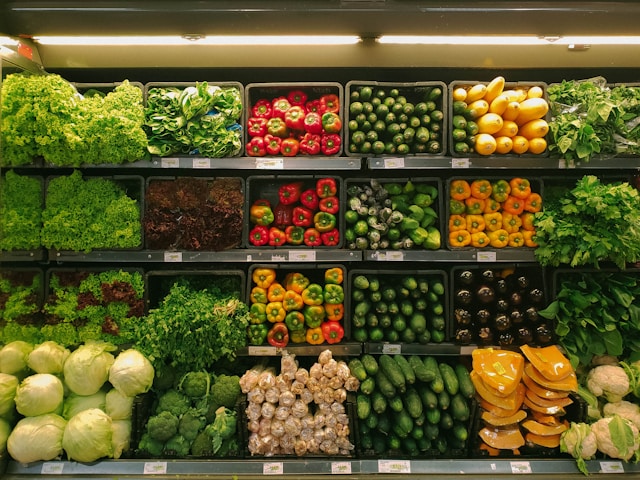
As consumers, our role in the journey is equally significant. Through informed food choices, we have the power to influence the course of our food’s journey. Opting for locally sourced, organically grown produce and supporting farmers who prioritize sustainable practices are integral steps in this process.
Also, embracing sustainability in our food journey extends beyond just consumption. It involves fostering a deeper connection with the food we eat, understanding its origins, and appreciating the efforts of those involved in its production.
In essence, sustainability is a collaborative venture that emphasizes the interconnectedness of human health and environmental well-being. By making informed food choices rooted in sustainability, we not only nourish our bodies but also cultivate a healthier planet for future generations.
Why It Matters
In today’s world, the concept of sustainability has transcended beyond buzzword status; it has become a cornerstone of responsible living. But why does sustainability matter, particularly in the context of our food choices and overall health?
First and foremost, sustainability ensures the preservation of our planet’s resources for future generations. By making informed food choices that prioritize sustainability, we mitigate the depletion of natural resources such as water, soil, and energy, safeguarding the integrity of ecosystems and biodiversity.
Also, sustainability directly impacts human health. Sustainable food systems promote the consumption of nutrient-rich foods that support overall well-being. By opting for sustainably sourced fruits, vegetables, and whole grains, individuals can enhance their diets while reducing the risk of chronic diseases.
Additionally, embracing sustainability fosters social equity and economic stability. Sustainable farming practices promote fair labor conditions and support local communities, ensuring that everyone involved in the food production chain receives fair compensation and opportunities for advancement.
In reality, sustainability matters because it serves as the heartbeat of a thriving, interconnected ecosystem where informed food choices lead to improved health outcomes for individuals and the planet alike. By practicing sustainability in our daily lives, we pave the way for a brighter, more resilient future.
Understanding Sustainable Farming

Sustainable farming, a cornerstone of informed food choices, goes beyond mere cultivation practices—it’s a commitment to nurturing the land while safeguarding the health of both consumers and the environment. At its core, sustainable farming prioritizes health by promoting agricultural methods that enhance soil fertility, minimize chemical inputs, and prioritize biodiversity.
In embracing sustainability, farmers adopt techniques aimed at conserving natural resources and reducing environmental impact. These methods include crop rotation, organic fertilization, and integrated pest management, which collectively foster healthier ecosystems and resilient food systems.
Also, sustainable farming champions the principle of “food with a story.” By connecting consumers with the origins of their food, it fosters transparency and trust in the agricultural process. This transparency empowers individuals to make informed food choices aligned with their values and concerns regarding health and environmental stewardship.
From reducing carbon emissions to conserving water and preserving wildlife habitats, the benefits of sustainable farming ripple far beyond the boundaries of the farm. It represents a holistic approach to food production—one that not only feeds the world but also nurtures the planet for generations to come.
Essentially, sustainable farming embodies the ethos of responsible agriculture, where the well-being of the land, the farmer, and the consumer converge in harmony. As consumers, embracing sustainability empowers us to support agricultural practices that prioritize health and environmental vitality, paving the way for a more resilient and nourished future.
The Impact of Your Purchasing Power

As consumers, the choices we make regarding the food we purchase and consume have considerable influence. Opting for locally sourced, in-season, and sustainably grown food not only contributes to our own well-being but also minimizes our ecological footprint. Shopping at farmers’ markets or participating in community-supported agriculture (CSA) programs are excellent avenues for making such choices.
Your purchasing decisions have considerable influence on the food system, shaping both personal health and the trajectory of sustainability. By making informed food choices, you not only nourish yourself but also contribute to the broader environmental and social landscape.
Consider the Impact of Food Choices
Every item you place in your shopping cart reflects a vote for the type of food system you wish to endorse. Opting for locally sourced, in-season, and sustainably grown products not only promotes your own health but also minimizes your ecological footprint. This conscious choice supports farmers who prioritize environmental stewardship and ethical practices.
Support Sustainable Practices
Choosing products with certifications such as organic or fair trade signifies your commitment to sustainability. These labels indicate that the food was produced in a manner that respects both people and the planet. By actively seeking out these designations, you incentivize businesses to adopt more environmentally friendly and socially responsible practices.
Embrace Sustainability
Embracing a mindset of mindful consumption empowers you to make choices that align with your values. Whether it’s opting for plant-based alternatives, reducing food waste, or supporting local farmers’ markets, each decision has the potential to drive positive change. Together, our collective actions can create a more equitable and sustainable food system for future generations.
Basically, your purchasing power extends far beyond the checkout counter—it’s a catalyst for change in the realm of food production and consumption. By leveraging this power to prioritize health and sustainability, you play a vital role in shaping a brighter and more resilient future for all.
Food Choices & Food Labels

Interpreting food labels empowers us to make informed food choices. Terms like “organic,” “free-range,” or “non-GMO” offer insights into how food was cultivated or processed. Familiarizing ourselves with label terminology facilitates decision-making aligned with our values and preferences.
Navigating food labels is crucial for making informed food choices that prioritize both health and sustainability. Here’s a breakdown of key terms and what they mean:
Organic: Products labeled as organic are produced without synthetic pesticides, fertilizers, or genetically modified organisms (GMOs). Choosing organic options supports sustainability by promoting healthier soil and reducing chemical runoff into the environment.
Non-GMO: Non-GMO labels indicate that the product does not contain genetically modified ingredients. Opting for non-GMO foods supports health and helps preserve biodiversity by avoiding genetically engineered crops.
Fair Trade: Fair Trade certification ensures that products are sourced from producers who receive fair wages and work under humane conditions. Supporting Fair Trade products promotes social equity and sustainability in agricultural practices.
Grass Fed: This label indicates that animals were fed a diet primarily consisting of grass or forage. Grass-fed meat and dairy products often contain higher levels of beneficial nutrients like omega-3 fatty acids, promoting both animal welfare and human health.
Sustainable Sourced: Products labeled as sustainably sourced are harvested or produced in a manner that minimizes environmental impact and promotes long-term ecological balance. Choosing sustainably sourced foods supports health by ensuring the availability of nutritious options for future generations.
Understanding these labels empowers consumers to make informed food choices that align with their values and contribute to both personal health and global sustainability.
Key Takeaways
To sum it up, making informed food choices involves considering various factors beyond taste and convenience. By understanding the journey of food from farm to table, prioritizing sustainability, and paying attention to label information, we can contribute to both personal well-being and environmental preservation.
Let’s celebrate National Nutrition Month® by embracing choices that go beyond the dining table, nurturing our bodies, communities, and the planet at large.
Whether your goal is to improve your health through nutrition or live a more sustainable lifestyle, we are committed to supporting you in achieving your health and wellness goals. Call or book an appointment.

Registered Dietitian Nutritionist with 25+ years of experience specializing in gut health, hormone balance, and metabolic health. She helps women uncover the root causes of bloating, digestive issues, and hormone imbalances through practical, evidence-based nutrition.
Not to worry, these hemp seeds won’t get you high-but they will provide a lot of health promoting nutrients. While hemp is a variety of the cannabis (marijuana) plant, hemp seeds have little to none of the psychoactive compound THC that’s found in marijuana. Technically, the seeds are a nut and are super-nutritious in healthy fats, protein, fiber, and various minerals. They can be eaten raw, or used to make milk, oil, cheese substitutes, or protein powder.
1. May Help You Sleep Better
Hemp is very.high in magnesium, which is a mineral that naturally helps your muscles to relax and promotes restorative sleep. Its nutrient profile helps to support high quality sleep because the combination of the amino acid tryptophan and vitamin B6 which serves as a precursor for melatonin. To promote good quality sleep, I recommend consuming a serving a few hours before bed.
2. May Reduce PMS & Menopause Symptoms
Tired of the cramping, mood swings, and cravings? Hemp Seeds have essential fatty acids (EFA) which may help alleviate the vast majority of your PMS symptoms. Omega-3 fatty acids may reduce the psychiatric symptoms of PMS including depression, anxiety, and lack of concentration and may also reduce the somatic symptoms of PMS including bloating, headache, and breast tenderness. Because hemp seeds are high in GLA several studies have indicated that they may reduce menopausal symptoms too.
3. May Protect Your Heart
Hemp seeds contain high amounts of arginine, which turns into nitric oxide in the body. Nitric oxide makes your blood vessels dilate and relax which can lower blood pressure and reduce risk of heart disease. The gamma-linolenic acid found in hemp seeds has been linked to reduced inflammation which may decrease your risk of heart disease.
4. Can Improve Skin Disorders
Anti-inflammatory compounds in hemp seeds may help conditions such as atopic dermatitis and acne which can result from chronic inflammation. Acne may be linked to dietary causes and a deficiency in omega-3s. The high omega-3 content in hemp seeds may help to manage and reduce acne symptoms.
A 2018 review investigated the effects of dietary changes on skin diseases. While they found evidence that eating more omega-3s may improve symptoms of acne, determining the extent of the effect will need more research.
5. Provides A Great Source of Protein
A 30 gram serving (3 Tablespoons) of raw hemp seeds contains almost 10 grams of plant-based protein. They contain all nine essential amino acids and is well-absorbed by our bodies, according to research. Considering swapping the protein powders and add some protein-rich hemp to your smoothies or oats to switch it up.
Overall, hemp seeds are considered safe when eaten in moderation. However, if you are pregnant, taking anticoagulants, suffering from digestive issues, or recovering from cannabis dependence- discuss with your healthcare professional before adding them to your diet.
Registered Dietitian Nutritionist with 25+ years of experience specializing in gut health, hormone balance, and metabolic health. She helps women uncover the root causes of bloating, digestive issues, and hormone imbalances through practical, evidence-based nutrition.