Gut health has become a buzzword in recent years, but what does it actually mean, and why is it so important? A healthy gut is about much more than just digestion—it’s key to your health and well-being.
From supporting your immune system to influencing your mood, the health of your gut plays a vital role in determining your overall health.
In this blog post, we’ll discuss what gut health is, why it matters, and practical steps you can take to improve yours.
What is Gut Health?
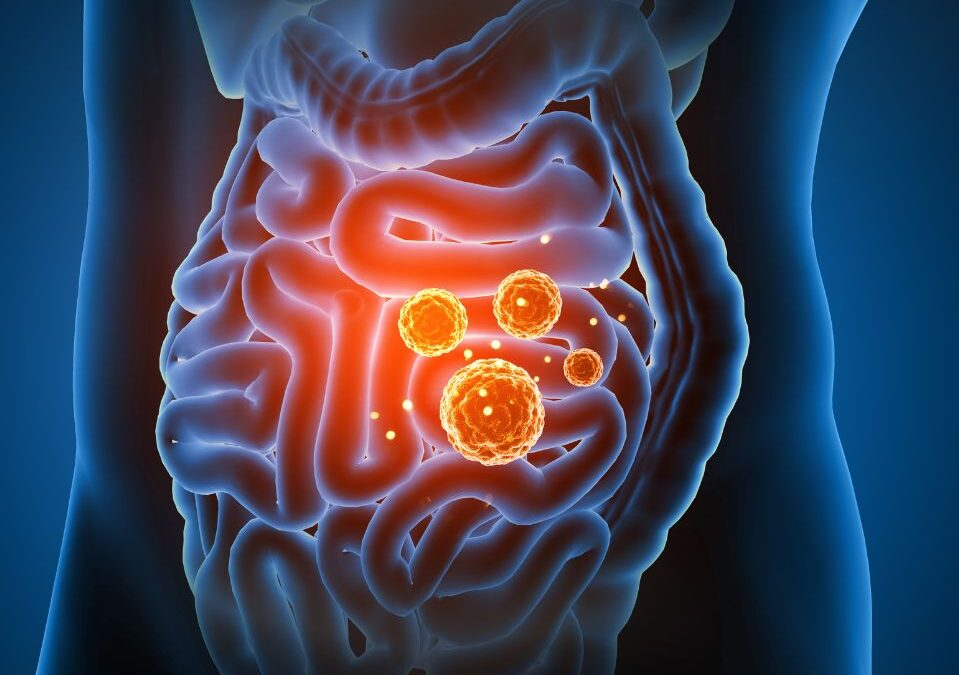
Your gut is home to trillions of bacteria and microorganisms, collectively known as the gut microbiome. These bacteria help with digesting food, producing essential vitamins, and protecting against harmful pathogens.
Gut health refers to the balance and function of these microorganisms, as well as the physical condition of the gut lining itself.
A healthy gut typically has a diverse range of “good” bacteria that perform functions such as:
Breaking down food into nutrients
Regulating metabolism
Supporting immune function
Protecting against inflammation
When your gut is out of balance, issues such as bloating, gas, indigestion, or even more serious conditions like irritable bowel syndrome (IBS) and autoimmune disorders can occur. This balance is influenced by factors such as diet, stress, lifestyle, and even medications like antibiotics.
Why Gut Health is Important
Gut health impacts nearly every system in your body, making it essential to overall well-being. Here are some key reasons why maintaining a healthy gut is so important:
Supports Digestion and Nutrient Absorption
One of the primary roles of your gut is to break down food and absorb nutrients. A healthy gut ensures that your body gets the vitamins, minerals, and energy it needs from the food you eat. Poor gut health can lead to nutrient deficiencies, even if you’re eating a balanced diet.
Boosts Immune System Function
Approximately 70% of your immune system lives in your gut. The beneficial bacteria in your gut help protect you from harmful invaders, including viruses and bad bacteria. A healthy gut ensures that your immune responses are properly regulated, reducing the risk of infections and autoimmune diseases.
Influences Mental Health and Mood
Your gut is often referred to as your “second brain” due to its influence on your mood and mental health. The gut produces neurotransmitters like serotonin, which plays a key role in mood regulation.
An unhealthy gut may contribute to issues like anxiety, depression, or mood swings. This is known as the gut-brain connection, which highlights the interaction between your digestive system and your brain.
Reduces Inflammation
Chronic inflammation in the body is linked to many serious health conditions such as heart disease, diabetes, and even cancer. A healthy gut helps regulate inflammation by keeping your immune system in check. When gut bacteria are imbalanced, it can trigger inflammation, which negatively impacts your health over time.
Weight Management
Recent research suggests that the bacteria in your gut can affect how your body stores fat and uses energy. A healthy gut microbiome may play a role in maintaining a healthy weight by regulating hunger hormones and boosting metabolism. On the flip side, an imbalance in gut bacteria has been associated with weight gain and obesity.
How to Improve Your Gut Health
There are several simple yet effective ways to improve gut health, many of which revolve around diet and lifestyle changes. Here’s how you can start improving your gut health today:
Eat a Variety of Fiber-Rich Foods
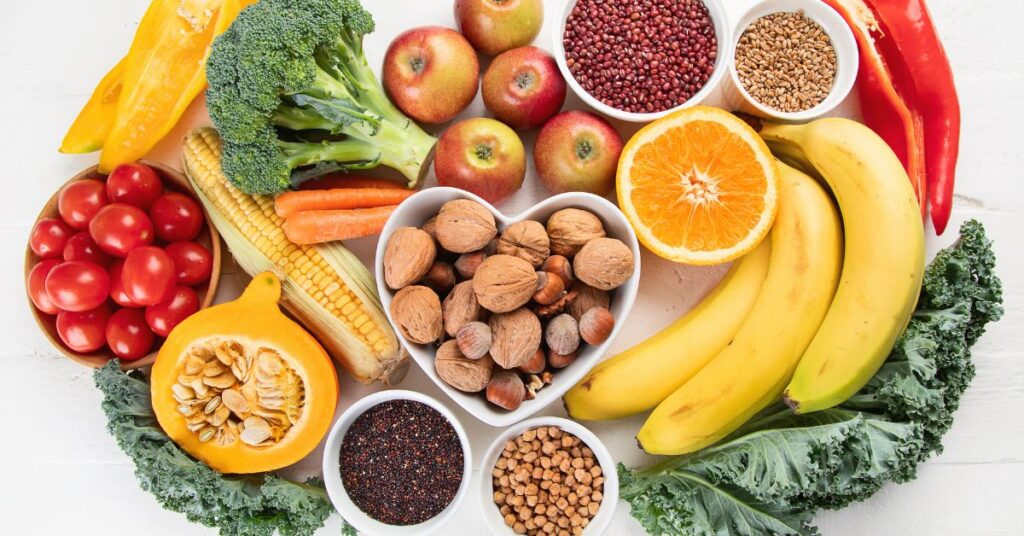
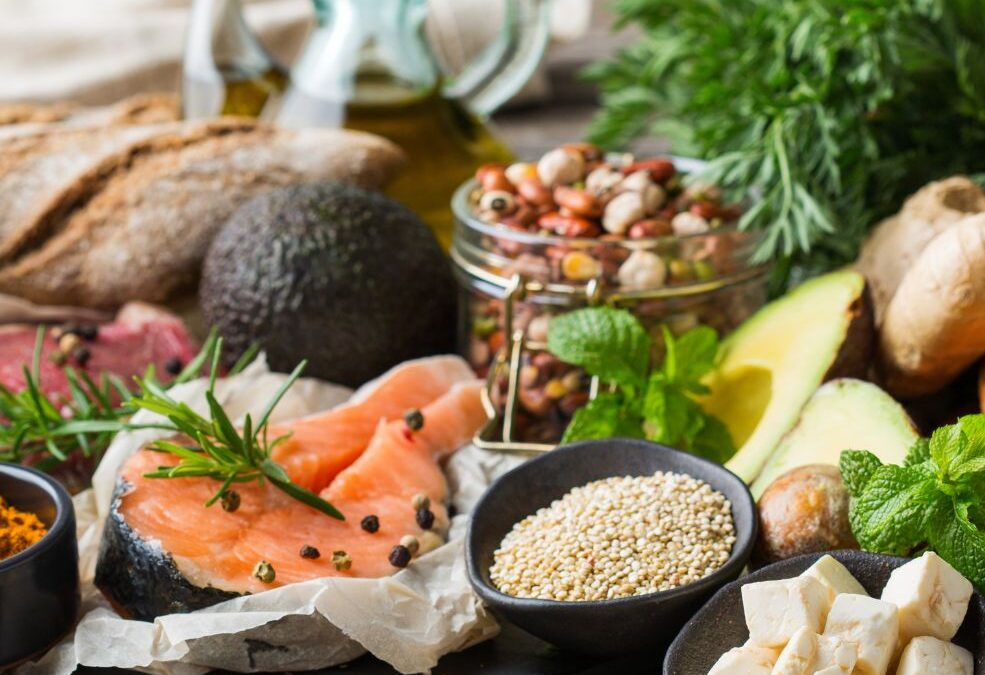
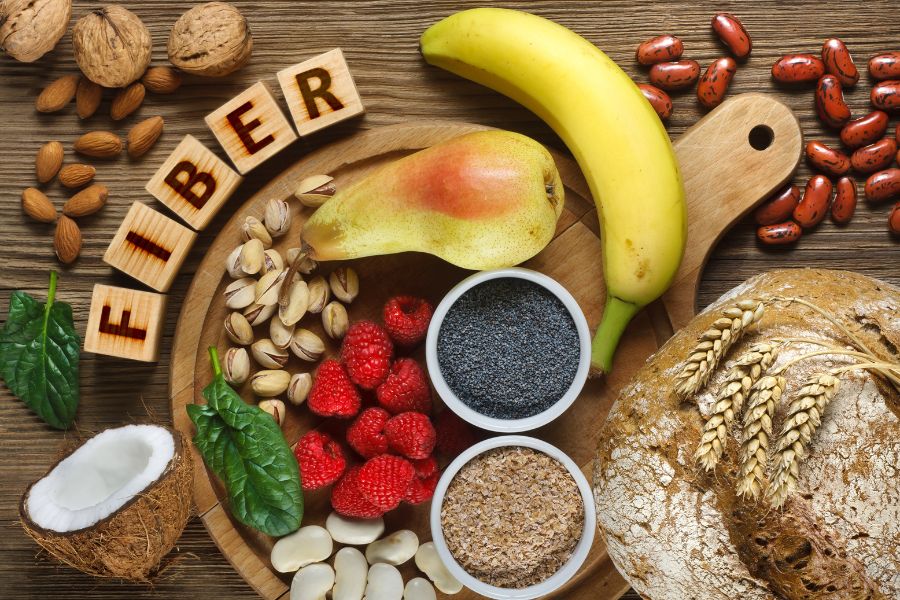
Eating a diverse diet, especially one high in fiber and functional foods, can dramatically improve your gut health. Fiber feeds beneficial bacteria in the gut, supporting digestion and promoting regularity. Some of the best foods for gut health include:
Fruits and vegetables such as apples, carrots, and broccoli, blueberries, raspberries
Incorporate Probiotic-Rich Foods
Probiotics are live bacteria that can benefit your gut. Fermented foods like yogurt, kefir, and sauerkraut are excellent sources of probiotics and can help populate your gut with beneficial microorganisms. Including these foods regularly is one of the easiest ways to improve gut health.
Cut Down on Processed Foods and Sugars
Processed foods and high sugar intake can upset the balance of bacteria in your gut, leading to digestive issues and inflammation. Limiting processed foods while prioritizing whole foods can greatly contribute to a healthier gut.
Stay Hydrated
Water is vital for digestion and maintaining the health of the intestinal lining. Staying hydrated is a simple yet crucial aspect of gut health that supports the overall balance of good bacteria.
Exercise Regularly
Physical activity is not only good for your heart and muscles but also for your gut. Exercise has been shown to increase the diversity of bacteria in the gut, which is a marker of good health. Aim for at least 30 minutes of moderate exercise several times a week to boost gut health.
Manage Stress
Stress negatively impacts your gut health, often leading to conditions like IBS. Practices like meditation, yoga, spending time in nature, or even short daily walks can significantly reduce stress, benefiting both your mind and gut.
Consider Probiotic Supplements
If you’re looking for an extra boost, probiotic supplements may help balance your gut bacteria. These supplements can be especially helpful after taking antibiotics or if you’ve been under a lot of stress. Before starting a new supplement regimen, it’s wise to consult with a licensed healthcare provider such as a registered dietitian nutritionist.
Keep In Mind
Your gut is more than just your digestive system—it’s a key player in your immune function, mood regulation, and overall health. By making small, practical changes to your diet and lifestyle, you can significantly improve your gut health and reap immediate and long-term benefits.
Struggling with your gut health or digestive issues? Get personalized help from our expert gut health dietitians. We’ll work with you to identify the root causes and create a holistic nutrition and lifestyle plan that gets you relief and optimizes your gut health. Schedule your consultation today.
Recently, actress Kathy Bates shared her inspiring weight loss journey in Women’s Health Magazine, revealing that she lost 100 pounds, 80 of which she credits to mindful eating. Bates explained that mindful eating transformed her relationship with food, allowing her to make conscious choices and savor each meal. Her story highlights how powerful mindful eating can be in transforming both physical health and well-being.
In this post, we’ll explore what mindful eating is, how it works, its various benefits, and practical tips to help you incorporate it into your daily routine.
What Is Mindful Eating?
Mindful eating stems from mindfulness, a practice embraced by various cultures for centuries. At its core, mindfulness focuses on one’s current thoughts, feelings, and bodily sensations, encouraging awareness and deliberate actions rather than impulsivity.
This approach encourages the selection of satisfying, nourishing foods while simultaneously avoiding self-judgment about eating habits. By increasing awareness of how and what you eat, over time, you can make positive changes that benefit both your health and the environment.
How Mindful Eating Works
Mindful eating emphasizes being fully present during meals, focusing on your personal experiences with food, including physical sensations, thoughts, and emotions, without judgment. Key aspects of this practice include:
Appreciating food origins and preparation: Acknowledge where your food comes from and the effort involved in its preparation.
Listening to internal cues: Pay attention to hunger and fullness signals, rather than external prompts, to guide portion sizes.
Engaging your senses: Notice the colors, smells, textures, and flavors of your food to enhance the eating experience.
Tuning into how you feel post-meal: Reflect on how your body feels after eating, helping you understand which foods make you feel best.
Practicing gratitude: Take a moment to express appreciation for the food and its nourishment.
Incorporating mindfulness: Consider adding deep breathing or brief meditation before or after meals to foster a calm mindset.
Considering the environment: Be mindful of how your food choices impact the planet, encouraging sustainable decisions.
By connecting physical, emotional, and environmental awareness, mindful eating nurtures both personal and environmental health.
Key Principles of Mindful Eating
Mindful eating is more than just slowing down at mealtimes, it’s about fully engaging with your food, making thoughtful choices, and nurturing a positive relationship with what you consume.
Appreciate Your Food: Consider the origins of your meals and express gratitude for the effort involved in bringing them to your table. Eating mindfully, particularly without distractions, can enhance your connection to what you consume.
Engage Your Senses: Focus on the colors, scents, flavors, and textures of your food. By doing so, you can be fully present, which enhances both enjoyment and appreciation.
Be Conscious of Portion Sizes: To prevent overeating and reduce food waste, use smaller plates and serve yourself a single portion.
Savor Every Bite:Take smaller bites and chew thoroughly, aim for 20-30 chews before swallowing. This not only allows you to experience the full richness of your meal, but also aids in digestion.
Eat at a Leisurely Pace: Slowing down helps you recognize hunger and fullness cues, allowing you to stop eating when you feel about 80% full. As a result, this prevents overeating and promotes healthier eating habits.
Avoid Skipping Meals: Long gaps between meals can trigger intense hunger, leading to impulsive, unhealthy choices. Therefore, maintaining a consistent eating schedule can ensureyou have time to enjoy your meals and snacks.
Choose a Whole Foods, Plant-Based Diet: Consider the long-term health impacts of your food choices. For example, diets high in processed meats and saturated fats are linked to an increased risk of colon cancer and heart disease. On the other hand, plant-based diets are associated with lower risks of type 2 diabetes, obesity, and other chronic conditions. Additionally, a whole-food, plant-based diet is better for the environment.
By following these mindful eating principles, you can transform your eating habits, support a healthy lifestyle, and foster a deeper appreciation for your meals.
Mindful Eating and Gut Health: The Gut-Brain Connection
Mindful eating improves digestion, reduces stress, and connects physical and mental health through greater awareness of hunger and fullness.
Improved Digestion:
Mindful eating promotes better digestion by encouraging thorough chewing and slower eating. In turn, this aids nutrient absorption, which supports a healthy gut microbiome and overall mental health.
Reduced Stress and Anxiety:
Practicing mindful eating helps create a calm environment during meals, reducing stress and anxiety. Since stress negatively affects gut health by disrupting gut bacteria, mindful eating has been shown to lower stress levels, ultimately benefiting both gut health and mental well-being.
Heightened Awareness of Hunger and Fullness:
Mindful eating increases awareness of hunger and fullness cues, helping prevent overeating and emotional eating. By doing so, people can make healthier food choices that nourish the gut and support mental health.
Positive Emotional Connection with Food:
Engaging fully with food can lead to greater satisfaction during meals. As a result, this positive connection can reduce negative feelings about eating and body image, which may help alleviate anxiety and depression associated with gut health issues.
Promotion of Nutritious Food Choices:
Mindful eating encourages thoughtful food choices. Consequently, individuals are more likely to opt for nutritious, gut-friendly foods like fruits, vegetables, whole grains, and fermented foods rich in probiotics. Such choices promote gut health and support mental well-being.
Keep In Mind
Incorporating mindful eating into your daily routine can provide many health benefits. By being present during meals and increasing awareness of eating habits, you can nourish both your body and mind.
Ready to Take Control of Your Health? Whether you’re looking for weight loss support, guidance on gut health, or strategies to optimize your overall well-being, our team of expert dietitians are here to help. Call to schedule an appointment or book online today.
In recent years, weight loss drugs like Ozempic have gained significant popularity for their ability to help individuals shed pounds quickly. Originally developed for managing Type 2 diabetes, Ozempic (semaglutide) and similar medications are now commonly prescribed off-label for weight loss because they suppress appetite and reduce food intake.
As more people turn to these drugs for weight management, it’s important to consider the broader implications of using them, especially regarding long-term health.
While medications like Ozempic can effectively reduce body weight, they present potential risks that should not be overlooked.
One major concern is how drastically they decrease food intake, which can deprive the body of essential nutrients and potentially lead to nutritional deficiencies, muscle loss, and other health risks.
In this blog, we will look into the downsides of weight loss medications, focusing on the risks associated with inadequate nutrition and the potential long-term health consequences of relying on medication to control appetite.
How Ozempic and Similar Drugs Work
Ozempic (semaglutide) belongs to a class of medications known as GLP-1 receptor agonists. These drugs manage blood sugar levels in people with Type 2 diabetes. However, one notable effect of GLP-1 receptor agonists is their ability to suppress appetite, leading to reduced food intake and weight loss.
Consequently, drugs like Ozempic, Wegovy (a higher dose of semaglutide), and Saxenda (liraglutide) are now prescribed off-label to assist individuals with obesity or weight-related health problems.
These medications interact with the body’s hunger signals. GLP-1 (glucagon-like peptide-1) is a hormone produced in the intestines. It helps regulate blood sugar levels by promoting insulin release and slowing stomach emptying after eating. When GLP-1 receptors activate, they create a feeling of fullness, helping to reduce cravings and food intake.
These medications mimic the body’s GLP-1 hormone, tricking the brain into feeling satiated. This can lead to significant weight loss, as individuals eat far less than usual without feeling overly hungry.
In clinical trials, some patients lost up to 15% of their body weight over several months using GLP-1 agonists. While this sounds positive, the drastic reduction in food intake poses challenges, especially regarding nutrition.
The Importance of Adequate Nutrition for Your Body
Although medications like Ozempic may curb appetite and reduce calorie intake, the body still needs essential nutrients. A balanced diet provides a variety of vitamins, minerals, proteins, fats, and carbohydrates, all critical for maintaining overall health. When food intake drops drastically, meeting the body’s nutritional needs becomes increasingly difficult, potentially leading to serious health issues.
Vitamins and Minerals: Micronutrients such as vitamins (A, C, D, E, and B-complex) and minerals (calcium, magnesium, iron, potassium, etc.) are crucial for immune function, bone health, and energy production. For instance, inadequate calcium and vitamin D can weaken bones, increasing fracture risks. A lack of iron can cause anemia, resulting in fatigue and decreased cognitive function.
Proteins: Protein is essential for building muscle mass, repairing tissues, and producing enzymes and hormones. When people on weight loss drugs consume fewer calories, they may not get enough high-quality protein. Over time, this can lead to muscle wasting, making individuals weaker and more prone to injury. Insufficient protein intake also hinders recovery from illness or exercise.
Fats: Healthy fats, especially omega-3 fatty acids, are vital for brain health, heart function, and inflammation regulation. A diet too low in fats can lead to poor cognitive function, hormone imbalances, and an increased risk of cardiovascular diseases. Fats also help absorb fat-soluble vitamins (A, D, E, and K). Not consuming enough can lead to deficiencies in these critical nutrients.
Carbohydrates: Carbohydrates are the body’s primary energy source. Without enough carbs, the body turns to fat and muscle for energy, slowing metabolism and leading to muscle loss. Low carbohydrate intake can cause brain fog, fatigue, and poor concentration since the brain relies heavily on glucose for fuel.
Fiber: Many weight loss drugs decrease food intake to the point where fiber consumption may become inadequate. Fiber is crucial for digestive health, helping prevent constipation and supporting a healthy gut microbiome. A lack of fiber can also increase the risk of developing digestive disorders.
It’s important to understand that Individuals on extreme calorie restriction diets or using appetite-suppressing medications often struggle to meet adequate intake of nutrient needs. Without careful monitoring and supplementation, nutritional deficiencies can become inevitable, potentially leading to long-term health issues that may outweigh the benefits of weight loss.
Impact of Inadequate Nutrient Intake
The promise of significant weight loss from drugs like Ozempic can be appealing, but the drastic reduction in food intake may cause a range of negative side effects. These effects go beyond mere inconvenience and can seriously impact both physical and mental health.
1. Nutritional Deficiencies
When food intake is significantly reduced, the body struggles to get the essential vitamins, minerals, and macronutrients it needs. While weight loss may occur, individuals using appetite-suppressing drugs like Ozempic may find it challenging to consume enough nutrient-dense foods to meet daily requirements.
For instance, low caloric intake can lead to deficiencies in iron, calcium, magnesium, and vitamins like B12 and D, crucial for energy, bone health, and immune function. Over time, nutritional deficiencies can cause fatigue, weakened immunity, cognitive issues, and severe complications like anemia and brittle bones.
2. Muscle Loss
One major risk of drastically reducing calorie intake without ensuring proper nutrition is muscle loss. The body needs an adequate supply of protein to maintain muscle mass. When food consumption is too low, the body breaks down muscle tissue for energy. This leads to decreased strength, endurance, and physical fitness.
Muscle loss affects physical capabilities and slows down metabolism, making it harder to maintain weight loss in the long term. Since muscle tissue is metabolically active, having less of it can cause the body to burn fewer calories at rest, potentially leading to weight regain once the medication is discontinued.
3. Metabolic Issues
When the body undergoes severe calorie restriction, often experienced with drugs like Ozempic, it can enter “starvation mode.” This survival mechanism slows metabolism to conserve energy. While it might help preserve fat stores during food scarcity, it can hinder long-term weight management.
A slowed metabolism complicates weight maintenance, as the body becomes more efficient at storing fat and burning fewer calories. Additionally, after stopping the medication, individuals may experience rapid weight gain, as their appetite normalizes, but their metabolism remains sluggish.
4. Digestive Problems
Common side effects of weight loss drugs like Ozempic include digestive discomfort. These medications slow stomach emptying to prolong feelings of fullness. Many users report nausea, vomiting, constipation, and indigestion. These symptoms not only make eating less enjoyable but can also interfere with nutrient absorption, exacerbating the risk of deficiencies.
Persistent nausea or vomiting may cause individuals to avoid eating altogether, increasing malnutrition risk. Furthermore, digestive issues can make sticking to a balanced, nutrient-rich diet challenging, as people may prefer to eat less to avoid discomfort.
5. Psychological Impact
Relying on medications to control appetite can also have psychological repercussions. For many, using drugs like Ozempic fosters an unhealthy relationship with food. The dependence on medication to suppress hunger can lead to disordered eating patterns, such as extreme restriction or fear of gaining weight after stopping the medication.
Rapid weight loss can contribute to body image issues or exacerbate feelings of inadequacy, particularly if weight is regained after discontinuation. This cycle of weight loss and gain can increase stress and anxiety surrounding food and weight management, creating a negative feedback loop.
Weight Loss Drugs & Long-Term Health Risks
1. Rebound Weight Gain
A major concern with weight loss drugs is the sustainability of results. Many experience significant weight loss while using drugs like Ozempic, but maintaining that weight loss can be challenging once the medication is stopped. These drugs temporarily alter appetite regulation; when stopped, hunger signals return to normal, often leading to increased food intake.
Without sustainable lifestyle changes—like regular exercise and healthy eating habits—many may experience “rebound” weight gain. Studies show that when patients stop using GLP-1 receptor agonists like Ozempic, they often regain a significant portion of the weight they lost. This can lead to frustration, feelings of failure, and unhealthy dieting patterns.
2. Potential Dependency
Another long-term risk associated with weight loss medications is dependency. Since these drugs help suppress appetite and control cravings, some individuals may rely on medication to manage weight. This reliance makes it difficult to maintain healthy eating habits and control portions without the drug, creating a dependency cycle.
Over time, individuals may feel trapped, needing to continue the medication indefinitely to avoid regaining the weight lost. This raises concerns about long-term medication use and the psychological effects of relying on a drug for weight control instead of developing sustainable habits.
3. Impact on Gut Health
Long-term use of weight loss drugs that reduce food intake can adversely affect gut health. A diverse diet rich in fiber from whole grains, fruits, and vegetables supports a healthy gut microbiome. When food intake is drastically reduced, the variety of nutrients consumed also decreases, potentially harming gut bacteria and increasing the risk of digestive disorders.
A compromised gut microbiome can lead to various health issues, including inflammation, digestive discomfort, and even immune dysfunction. As gut health plays a critical role in overall well-being, neglecting it can have far-reaching consequences for physical and mental health.
Compounded Weight Loss Medications & Health Risk
Recently, compounded weight loss medications have become a popular alternative to prescription drugs like Ozempic. However, these custom-made medications are not FDA-regulated and can carry serious health risks related to safety, effectiveness, and legal accountability.
Because compounded medications don’t go through strict FDA testing, it raises the risk of contamination, incorrect dosing, or dangerous drug interactions.
Remember: Weight Loss Medications are Not Magic
While medications like Ozempic offer promising weight loss results, it’s important to weigh their potential long-term risks. A drastic reduction in food intake can lead to nutritional deficiencies, muscle loss, metabolic issues, and psychological challenges.
Before deciding on weight loss medications, individuals should consult healthcare providers and explore holistic approaches to weight management. Sustainable lifestyle changes—such as balanced nutrition, regular exercise, and cognitive behavioral therapy can provide lasting results without compromising health.
Working with a dietitian is essential for protecting your health and achieving sustainable weight loss, especially when taking medications like Ozempic.
As dietitians we help you avoid nutrient deficiencies, support you in making healthy food choices, and ensure your body receives the right balance of nutrients during weight loss. We also provide guidance on managing potential side effects and creating personalized meal plans that align with your specific health goals.
With our expert nutrition support, you’ll be equipped to achieve long-term weight loss success and maintain a healthier lifestyle, without compromising your health or well-being.
Breast cancer affects millions of women globally, making it one of the most common cancers. While treatments continue to improve, diet plays a critical role in both preventing and managing breast cancer. The Mediterranean Diet has gained attention for its potential benefits in both prevention and treatment of breast cancer.
Known for its plant-rich diversity of fruits, vegetables, whole grains, and healthy fats, this diet has been linked to lower cancer risk and better survival rates. Recently, researchers have focused on functional foods within the Mediterranean Diet. These foods contain bioactive compounds such as antioxidants, polyphenols, and omega-3 fatty acids, which may offer additional benefits for breast cancer patients.
Key Components of the Mediterranean Diet
The Mediterranean Diet is based on traditional eating habits from countries like Greece and Italy. The key components include:
High intake of fruits, vegetables, whole grains, legumes, and nuts.
Olive oil as the main source of fat.
Moderate consumption of fish.
Limited or minimal intake of red meat and processed foods.
Research shows that following the Mediterranean Diet can reduce cancer risk, improve survival, and enhance quality of life. The diet’s anti-inflammatory and antioxidant properties help combat the chronic inflammation and oxidative stress linked to cancer progression.
Nutraceutical Foods and Their Role in Cancer Prevention
Functional and nutraceutical foods provide health benefits beyond basic nutrition. They are rich in vitamins, minerals, polyphenols, and omega-3 fatty acids, all of which promote health. Including these foods in the Mediterranean Diet may offer extra protection against breast cancer by reducing inflammation and neutralizing oxidative stress.
A 2023 study highlights several nutraceuticals—omega-3 fatty acids, curcumin, resveratrol, and polyphenols which positively impact cancer pathways, especially those related to inflammation and oxidative stress.
Polyphenols from Olive Oil and Their Cancer-Fighting Properties
Extra virgin olive oil (EVOO) is a key part of the Mediterranean Diet. It contains polyphenols like hydroxytyrosol and oleocanthal, which have strong antioxidant and anti-inflammatory properties. Research shows these compounds reduce inflammation and lower the risk of cancer recurrence. They also slow down cancer cell growth and promote cancer cell death (apoptosis).
Omega-3 Fatty Acids: Reducing Inflammation and Cancer Risk
Omega-3 fatty acids, found in fatty fish like wild-caught salmon, are known for their anti-inflammatory effects. These healthy fats help reduce inflammation and inhibit cancer cell growth. Studies suggest that omega-3s can also decrease cancer metastasis and promote cancer cell death.
Flavonoids in Fruits and Vegetables for Cancer Prevention
Fruits and vegetables in the Mediterranean Diet are packed with flavonoids, which are potent antioxidants. These compounds help neutralize free radicals that can damage DNA and lead to cancer growth. Quercetin, found in apples and onions, and anthocyanins, found in berries, are known to reduce oxidative stress and inhibit cancer cell growth.
The Benefits of Curcumin in Breast Cancer Management
Curcumin, the active compound in turmeric, is widely recognized for its anti-cancer properties. It helps regulate pathways involved in cancer cell growth, the formation of new blood vessels that feed tumors, and metastasis. When curcumin is combined with the Mediterranean Diet, studies suggest it can significantly reduce cancer progression.
Curcumin’s Role in Triple-Negative Breast Cancer (TNBC)
A recent study found that curcumin, the active compound in turmeric, has great potential in fighting Triple-Negative Breast Cancer (TNBC) by targeting multiple pathways involved in cancer progression.
One key way curcumin works is by interfering with the process that allows cancer cells to spread. This process, called the epithelial-mesenchymal transition (EMT), is critical for cancer cells to invade other parts of the body. By reducing the activity of proteins in important signaling pathways, such as mTOR and PI3K-Akt, curcumin can slow the movement and spread of TNBC cells.
Research also shows that curcumin helps treat various types of tumors by influencing key cellular processes, including cell proliferation (the growth of new cancer cells), apoptosis (programmed cell death), the cell cycle (how cells grow and divide), and metastasis (the spread of cancer). By targeting these processes, curcumin may slow or even stop cancer progression.
In simpler terms, curcumin helps “turn off” the signals that tell cancer cells to spread, making it harder for the disease to advance.
How These Compounds Work to Treat Breast Cancer
Two major factors influence breast cancer progression: oxidative stress and chronic inflammation. Reactive oxygen species (ROS), byproducts of cellular metabolism, can damage DNA and trigger cancer growth, while inflammation creates an environment conducive to tumor development.
The bioactive compounds found in the Mediterranean Diet, including polyphenols, omega-3 fatty acids, and curcumin, work together to combat these processes. These compounds help neutralize ROS and reduce inflammation, making the body less favorable for cancer growth. They also regulate inflammatory markers like NF-kB, a key factor in cancer cell survival.
Whole Foods vs. Supplements
Although these bioactive compounds are powerful, it’s important to obtain them primarily from whole foods. Eating a variety of fruits, vegetables, fish, whole grains, and spices provides not only these beneficial compounds but also a wide range of nutrients that work together to promote health.
However, some patients may need supplements to achieve higher doses. If you’re considering supplements, it’s essential to consult with a dietitian experienced in supplementation. They can recommend the correct dosages, ensure supplement purity, and assess any potential interactions with other treatments.
Research on the Mediterranean Diet’s Benefits in Breast Cancer
Studies continue to support the benefits of the Mediterranean Diet, particularly when combined with functional and nutraceutical foods. In a recent study, researchers found that breast cancer patients who followed the diet, along with supplements like curcumin and omega-3s, had fewer cancer recurrences. These patients also showed improvements in markers of oxidative stress and inflammation.
One major study from the DIANA-5 trial looked at the impact of a diet based on Mediterranean and macrobiotic principles. This trial included over 1,500 women at high risk for breast cancer recurrence. While the trial didn’t conclusively show a reduction in recurrence for all participants, it did highlight that women who adhered more closely to the diet experienced a 41% lower risk of recurrence compared to those with lower adherence.
Additionally, another study from the EPIC cohort explored the effect of the Mediterranean Diet on breast cancer survival in over 13,000 women across Europe. It found that women who adhered more closely to the Mediterranean Diet had a reduced risk of overall mortality, especially among postmenopausal women.
While these studies emphasize the benefits of the Mediterranean Diet and suggest potential improvements in survival and recurrence rates, the specific combination of curcumin and omega-3 supplements still needs more direct, dedicated research.
Keep In Mind
The Mediterranean Diet has long been praised for its role in cancer prevention. It offers even more promise when combined with functional and nutraceutical foods. Olive oil,fish, fruits, vegetables, and spices provide powerful antioxidants and anti-inflammatory compounds that may help reduce cancer progression and recurrence.
For breast cancer patients, following this diet may improve prognosis, lower recurrence risk, and enhance overall well-being. While the evidence is encouraging, more research is needed to fully understand how these foods work together for long-term benefits.
Receiving personalized nutrition recommendations when undergoing cancer treatment is crucial, as different types of cancer may require a tailored approach for the most effective support. Looking for expert guidance? We’re here to help. Book a consultation today for a targeted nutrition plan designed to optimize your health and well-being.
Coffee is one of the most widely consumed beverages in the world, with over 2 billion cups enjoyed every day. If you drink coffee on a daily basis, it’s crucial to choose the right roast and brand to ensure you get the best health benefits.
Coffee is packed with antioxidants and brain-boosting caffeine, supporting cardio-metabolic health when consumed in moderation. However, the type of roast and brewing method can significantly influence the health advantages you gain from your daily cup. With that in mind, we’ll explore the health benefits of coffee and help you choose the best roast for gut health, sustainability, and purity.
Health Benefits of Coffee
Research shows that coffee offers several health benefits due to its high levels of antioxidants and bioactive compounds. Key benefits include:
Rich in Antioxidants: Coffee is full of polyphenols, like chlorogenic acid, which reduce inflammation and combat oxidative stress. As a result, this may lower the risk of chronic diseases.
Boosts Brain Function: Caffeine improves alertness, focus, and memory. Regular coffee drinking has been linked to a reduced risk of neurodegenerative diseases such as Parkinson’s and Alzheimer’s.
Supports Heart Health: A 2024 study in the Journal of Clinical Endocrinology & Metabolism found that drinking three cups of coffee per day lowers the risk of cardiometabolic diseases, including heart disease and type 2 diabetes.
Reduces Cancer Risk: Coffee has been associated with a lower risk of liver and colorectal cancers, thanks to its antioxidants.
The roasting process affects not only the flavor but also the health benefits of coffee. Let’s break it down:
Light Roast Coffee
Flavor: Fruity, acidic, and bright.
Health Benefits: Light roasts retain the highest levels of antioxidants, including chlorogenic acids, which may offer neuroprotective and anti-inflammatory effects.
Caffeine Content: Slightly higher than dark roast, as the beans are roasted for less time.
Medium Roast Coffee
Flavor: Balanced with moderate acidity and a smooth mouthfeel.
Health Benefits: Medium roasts offer a balance between flavor and antioxidant content. It’s a good choice if you want some health benefits without the high acidity of light roast.
Caffeine Content: Moderate.
Dark Roast Coffee
Flavor: Bold, smoky, and rich.
Health Benefits: While dark roasts contain fewer antioxidants, they have more N-methylpyridinium (NMP). This compound reduces stomach acid, making dark roast a good choice for sensitive stomachs.
Caffeine Content: Lower than light and medium roasts, as more caffeine burns off during roasting.
Best Coffee Roast for Gut Health
If you’re concerned about gut health, dark roast coffee may be a better option. Studies show that dark roasts contain higher levels of NMP, a compound that reduces stomach acid production, making it easier on the digestive system, especially for those prone to acid reflux or other digestive issues.
Additionally, research suggest that caffeine can worsen symptoms of Irritable Bowel Syndrome (IBS) in some individuals, so opting for a dark roast with lower caffeine may help minimize discomfort.
Tip: Drink coffee with food to minimize stomach discomfort. If you’re experiencing ongoing digestive issues, consider consulting with our gut health dietitian for personalized advice and solutions. Book a consultation and start resolving your digestive issues.
Tips for Keeping Your Coffee Healthy
While coffee can offer many health benefits, it’s important to remember that what you add to your cup can diminish those advantages. Follow these tips to keep your coffee healthy:
Limit Sugar and Cream: Adding sugar, cream, or flavored syrups can turn a healthy beverage into a high-calorie drink. Opt for plant-based milk (like almond or oat) or unsweetened milk.
Avoid Artificial Sweeteners: These can disrupt gut bacteria, even though they reduce calories. Natural alternatives like stevia or honey are better options.
Choose High-Quality Beans: Low-quality beans may contain harmful substances, like mycotoxins, which are produced by mold.
Select Toxin-Free Coffee: Ensuring Quality and Purity
Mycotoxins, particularly Ochratoxin A (OTA), are toxic byproducts of mold that can contaminate coffee beans if stored improperly. These toxins can harm liver and kidney health. A 2018 study emphasized the importance of sourcing high-quality coffee to avoid these contaminants.
Here’s a few simple tips on how to reduce your exposure to mycotoxins:
Choose Organic Coffee: Organic coffee is grown without synthetic chemicals and is usually processed under better conditions, lowering the risk of mold growth.
Buy Single-Origin Coffee: Single-origin beans are often processed more carefully and are easier to trace, making contamination less likely.
Purchase from Reputable Brands: Some brands test specifically for mycotoxins. Look for specialty brands that prioritize both safety and quality. While specialty brands that conduct third-party purity testing may come at a higher price, prioritizing your health makes this investment worthwhile.
What to Look for When Buying Coffee
Beyond health benefits, it’s important to consider the ethical and environmental impact of your coffee. With that said, here are a few factors to keep in mind:
Organic Coffee
Why It Matters: Organic coffee is grown without synthetic pesticides or fertilizers, reducing harmful chemicals in your cup and benefiting the environment.
Fair Trade Certified
Why It Matters: Fair Trade certification ensures farmers are paid fairly, supporting ethical labor practices and sustainable farming communities.
Sustainable Coffee
Why It Matters: Coffee farming has a significant environmental impact. Brands that focus on shade-grown or sustainable farming practices help protect biodiversity and reduce environmental degradation.
Single-Origin Coffee
Why It Matters: Single-origin coffee offers transparency about where the beans come from, providing more control over quality and ethical standards.
Keep In Mind
When consumed in moderation, coffee can provide a range of health benefits, from improving heart and brain health to aiding digestion. To maximize these benefits, choose the right roast for your health needs and be mindful of what you add. For example, dark roast coffee, with its gut-friendly compounds, may be ideal for those with sensitive stomachs, while light roast retains the highest antioxidant levels.
In addition, consider opting for organic, fair trade, and sustainably sourced coffee to support both your health and the environment. By following these tips, you can enjoy a cleaner, healthier cup of coffee every day.
Functional foods are a growing trend in health and wellness, offering benefits beyond basic nutrition. But what exactly are they, and why should you include them in your diet? In this blog post, we’ll explore what functional foods are, the different types, and how they can improve your health.
What Are Functional Foods?
Functional foods provide more than just essential nutrients like vitamins and minerals. They contain bioactive compounds that boost health, reduce the risk of chronic diseases, and promote overall well-being.
These foods can be either natural or fortified. Natural functional foods include fruits, vegetables, nuts, seeds, and fish, which are packed with antioxidants, omega-3 fatty acids, fiber, and probiotics. Fortified functional foods have added nutrients, like calcium-enriched orange juice or probiotic-enhanced yogurt.
Types of Functional Foods
Functional foods can be grouped based on their nutritional benefits:
Probiotic-Rich Foods
Yogurt, kefir, and fermented vegetables are rich in probiotics. These live bacteria support gut health, balance the microbiome, and aid digestion. (Nutrients)
Prebiotic-Rich Foods
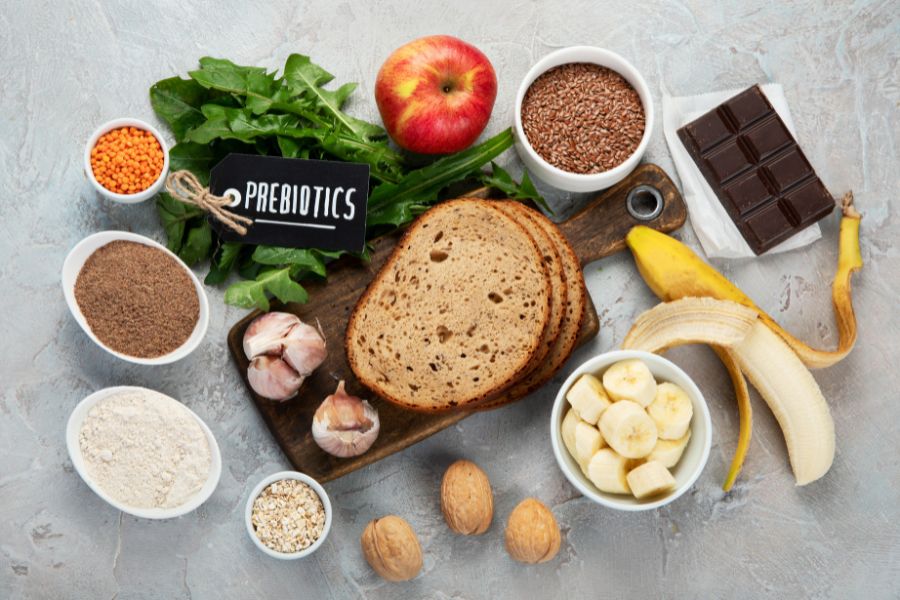
Prebiotic foods play a critical role in gut health, making them an essential category of functional foods. Prebiotics are types of non-digestible fiber that feed the beneficial bacteria in your gut, helping them grow and thrive. Unlike probiotics, which introduce live bacteria into your system, prebiotics serve as food for the existing good bacteria in your gut. This makes them just as important for maintaining a balanced, healthy microbiome. (Foods)
Omega-3 Fatty Acid-Rich Foods
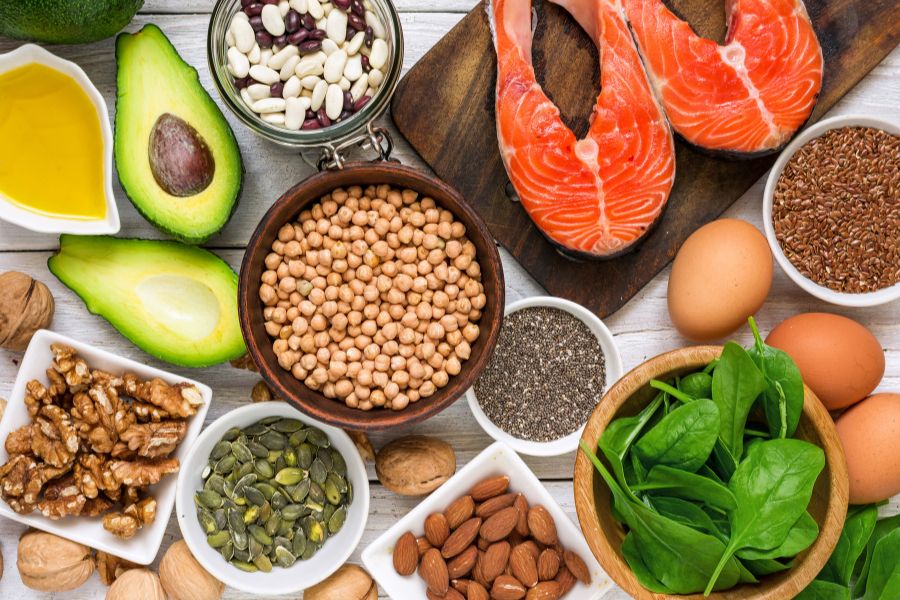
Fatty fish like salmon and plant-based foods like chia seeds, are loaded with omega-3 fatty acids. These fats are essential for heart health, brain function, and reducing inflammation.
Fiber-Rich Foods
Whole grains, legumes, and vegetables contain high levels of fiber. Fiber promotes digestion, stabilizes blood sugar, and helps maintain a healthy weight.
Antioxidant-Rich Foods
Berries, nuts, dark chocolate, and green tea are excellent sources of antioxidants. These compounds neutralize free radicals, protecting cells from damage and aging.
Health Benefits of Functional Foods
Functional foods are more than a marketing trend. They offer real health benefits, such as:
Improved Digestion
Probiotics and fiber improve digestion and support a healthy gut microbiome. They can also help prevent issues like irritable bowel syndrome (IBS) and constipation.
Heart Health
Omega-3 fatty acids, found in foods like fish, flaxseeds, and walnuts, lower blood pressure and triglycerides. They also reduce the risk of heart disease.
Enhanced Immune Function
Garlic, ginger, and mushrooms are functional foods that contain immune-boosting compounds. They help your body fight infections more effectively.
Weight Management
Fiber-rich foods like whole grains, vegetables, and fruits promote fullness. This makes it easier to control hunger and manage your weight.
Reduced Risk of Chronic Diseases
Antioxidants in foods like berries and nuts lower the risk of diseases like cancer, diabetes, and Alzheimer’s. They do this by reducing oxidative stress and inflammation in the body.
How to Add Functional Foods to Your Diet
Incorporating functional foods into your diet is easier than you think. Here are some simple tips:
Start with Breakfast: Replace sugary cereals with whole grains. Add chia or flax seeds to smoothies, and top your yogurt with antioxidant-rich berries.
Add Fermented Foods: Include sauerkraut, kimchi, and kefir in your meals to boost probiotic intake and improve gut health.
Snack Smart: Choose nutrient-dense snacks like nuts, seeds, or dark chocolate instead of processed options.
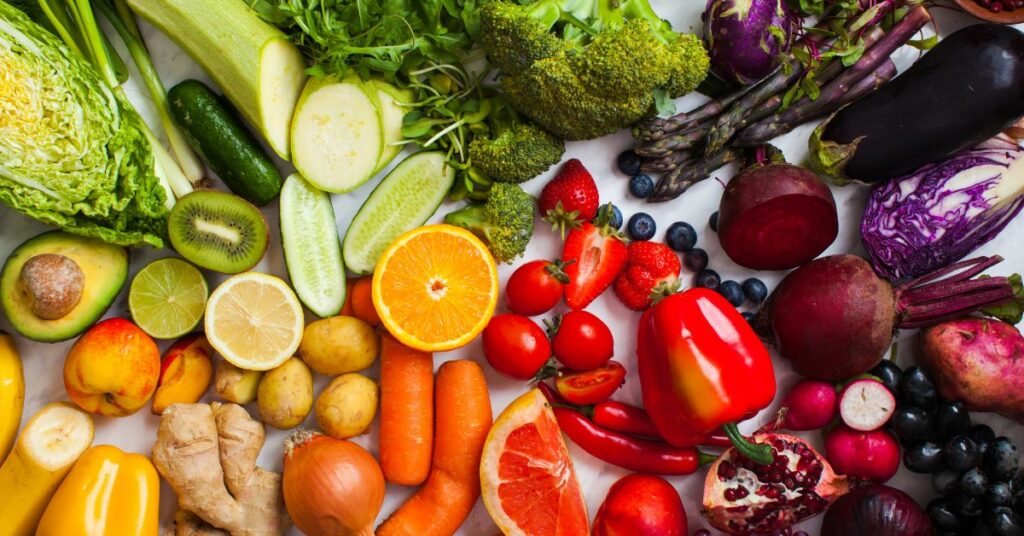
Eat the Rainbow: Fill your plate with colorful fruits and vegetables to ensure you’re getting a wide range of nutrients.
Include Fatty Fishor Vegan Sources of Omega 3 Fatty Acids: Try to eat fatty fish like wild-caught salmon twice a week to benefit from omega-3 fatty acids or add hemp seeds, walnuts, or flaxseeds to salads or smoothies.
The Future of Functional Foods
Research continues to uncover the link between diet and health, making functional foods a key part of preventive medicine. The demand for foods that offer more than basic nutrition is driving innovation in fortified products that enhance health.
Keep In Mind
Functional foods do more than provide nourishment—they support overall health and well-being. By adding fiber, omega-3s, and immune-boosting foods to your diet, you can take control of your long-term health and wellness.